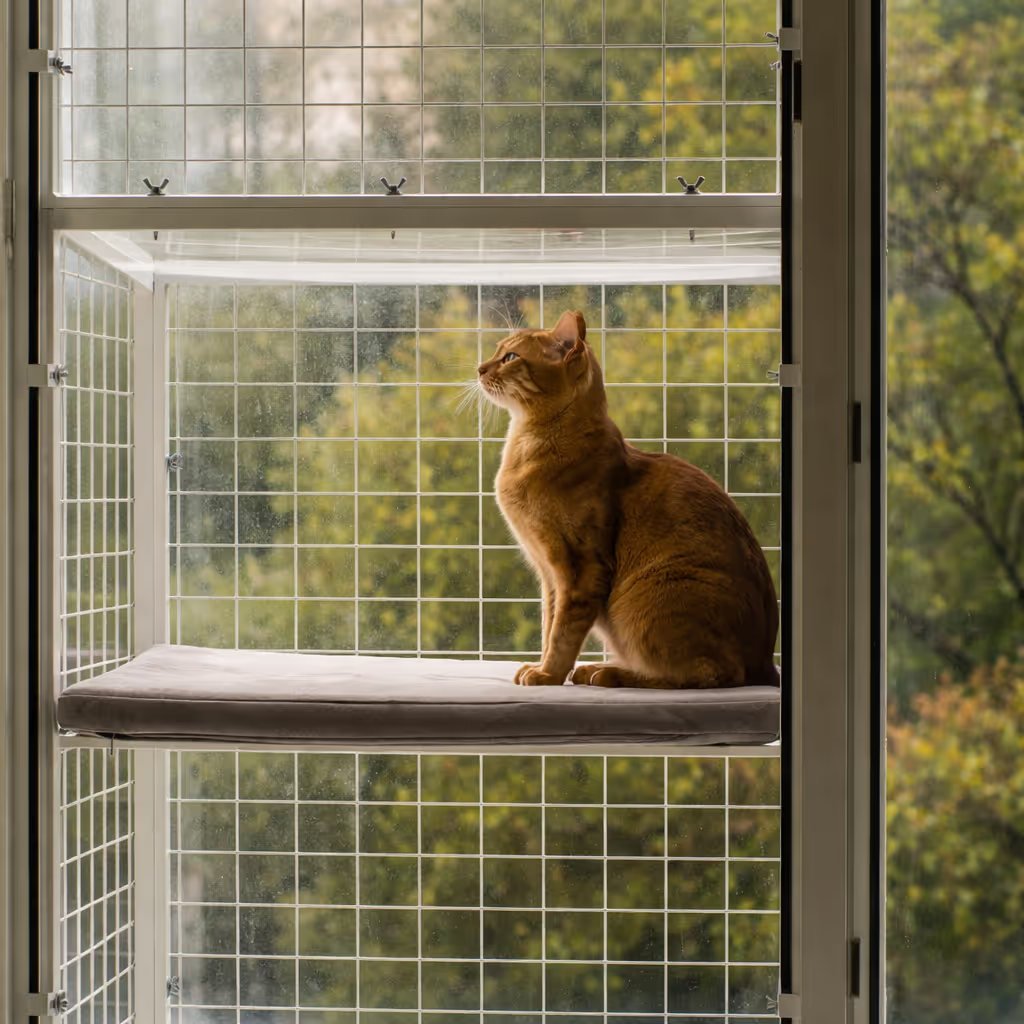
A setup that is perfectly safe for your adult cat may not be safe for a kitten at all. Kittens are not small adult cats — they behave differently, move differently, fit through different gaps, and have a different relationship with height than a cat that has grown up and developed spatial awareness. The safety requirements change accordingly.
The Mesh Gap Problem
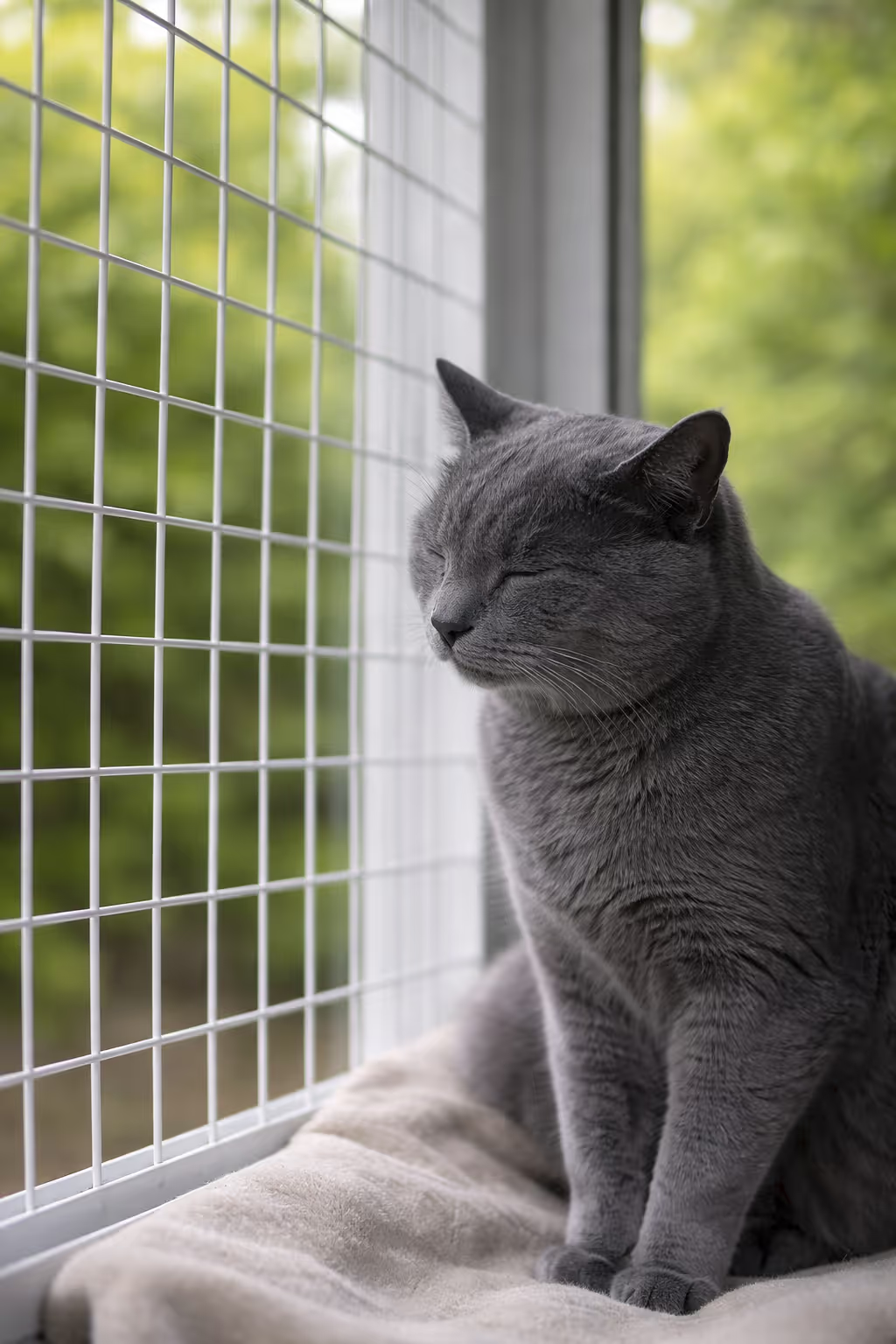
Standard cat enclosure mesh — the industry-standard 5x5cm square grid — is sized for adult cats. An adult cat's head will not fit through a 5x5cm opening. A kitten's head, particularly in the first few months, absolutely will. And if the head goes through, the rest of the body can follow, or the kitten can become trapped — which is its own serious risk.
The safe mesh size for kittens is 2.5x2.5cm (approximately 1 inch square). This is fine enough to prevent a young kitten from fitting a paw, a head, or a body through any single opening. If you have an existing enclosure with 5x5cm mesh and you bring a kitten home, that enclosure is not safe for kitten use without modification or temporary exclusion from the area.
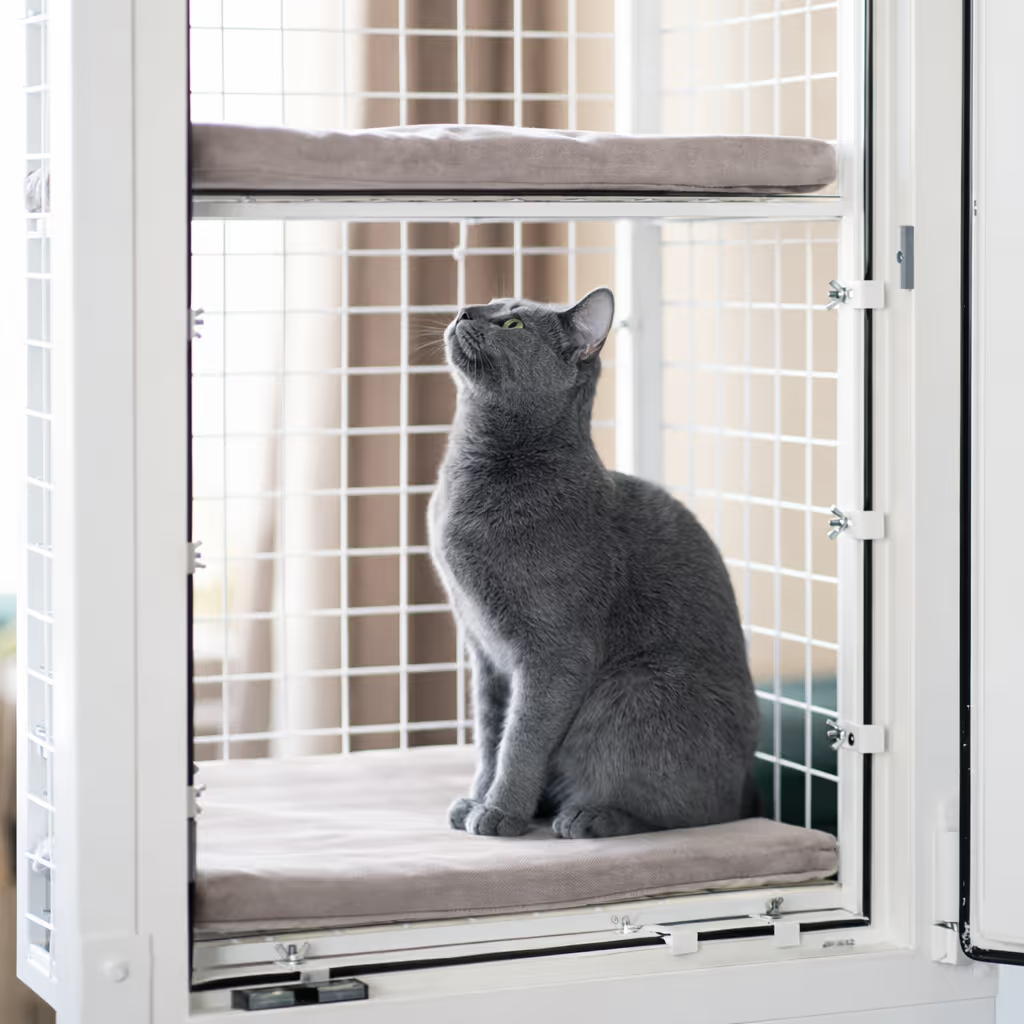
The BalconyCat window enclosure is available with a 2.5x2.5cm mesh option on request. It is specified at order and built into the enclosure at production — not an add-on panel or retrofit. If you are ordering for a home with a kitten or a planned litter, this is the configuration to specify. Note: the finer mesh has a slight natural wave to it due to the manufacturing process. This is normal and does not affect strength or safety.
Speed, Unpredictability, and the Attention Lapse
Kittens are fast — not in the smooth, deliberate way of an adult cat, but in the chaotic, direction-changing, sudden-stop-sudden-sprint way that makes them endlessly entertaining and occasionally exhausting. They change course without warning, accelerate from stationary to full speed in under a second, and have approximately zero impulse control.
On a balcony, this translates to a higher probability of an accidental fall than with an adult cat. An adult cat approaches a ledge, assesses it, and makes a decision. A kitten may sprint toward the railing in pursuit of a leaf and not register the drop until it is mid-air. This is not something you can train out of a kitten in the short term — it is a developmental stage. The correct response is to ensure the physical environment does not give the kitten an opportunity to make a dangerous mistake, regardless of what they are chasing.
Height Perception: What Kittens Have Not Learned Yet
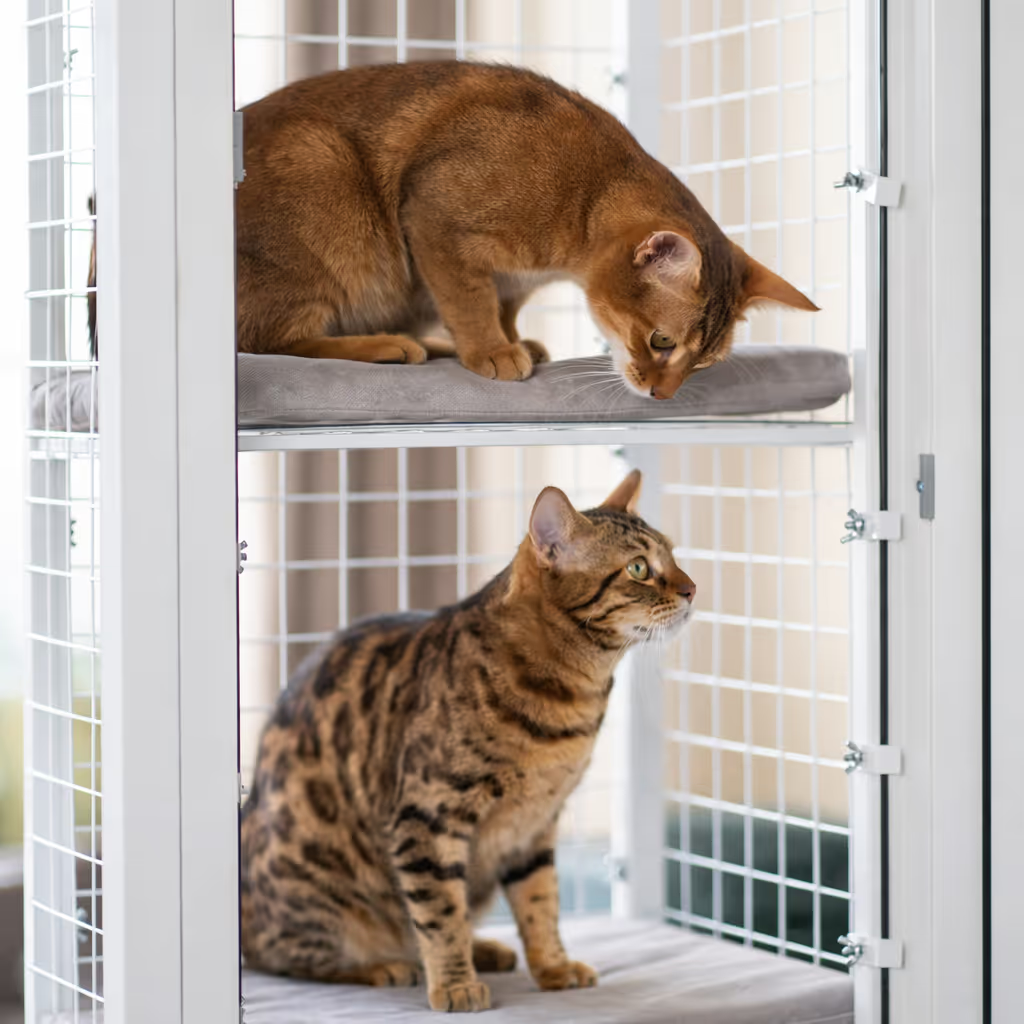
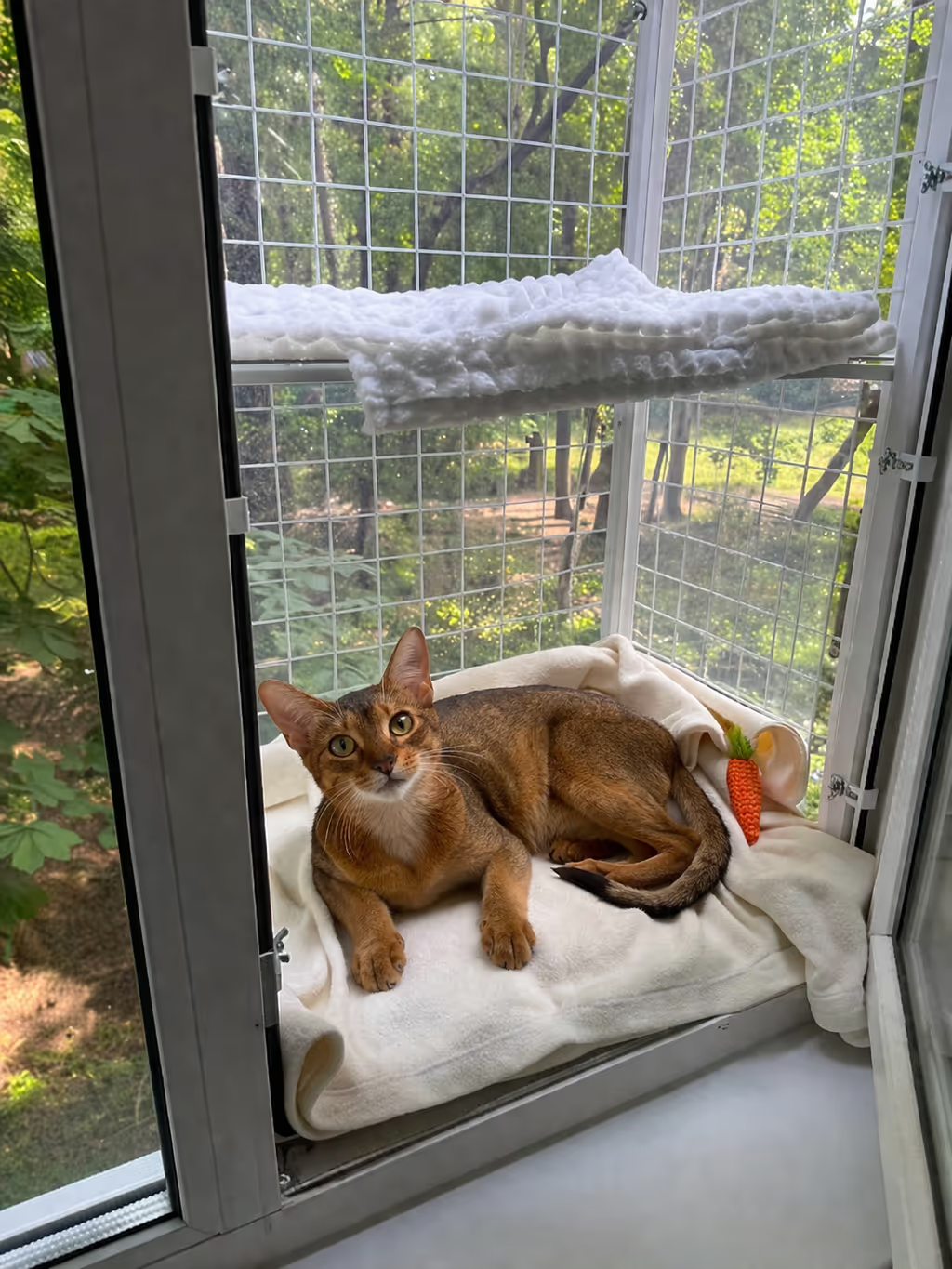
Adult cats that go outdoors develop a functional understanding of height through experience. They have jumped from surfaces, misjudged distances occasionally, and recalibrated. They can look at a drop and make a reasonable assessment of it. Kittens — especially young indoor kittens with no outdoor experience — have no such reference library.
Whatever your situation, the safest starting point is a custom steel window enclosure sized to your exact window.
A third-floor balcony railing means nothing to a kitten in the way it does to an adult cat. They have not yet experienced what a fall feels like or what height looks like in a way they can interpret and respond to. This is why even kittens that appear confident and agile on a balcony are not actually safe on an unsecured one. Confidence is not the same as awareness, and agility does not prevent a misjudged leap.
Gaps Beyond the Mesh: Other Things to Check
When kitten-proofing a balcony, mesh size is the main concern but not the only one.
Railing Gaps
If your balcony has vertical railing bars rather than a solid wall, measure the gap between them. Standard residential railing spacing is typically 10–12cm — far too wide for a kitten in the first few months. A kitten under roughly 4 months can fit through gaps that would never concern you for an adult cat. Temporary mesh or clear acrylic panels fixed to the inner face of the railing can close these gaps while the kitten grows.
Base Gaps
Where your enclosure or barrier meets the balcony floor — is there a gap? Even a small ground-level gap is a kitten-scale exit or entrapment point. Check the perimeter at floor level and close anything that looks marginal.
Furniture and Climbing Routes
On a balcony with furniture, a kitten will climb everything — and use it as a route to places you have not anticipated. A chair pushed against the railing becomes a launching pad. Keep furniture away from the railing perimeter until your kitten is old enough for the balcony to be used with normal supervision.
At What Age Is a Standard 5x5cm Enclosure Safe?
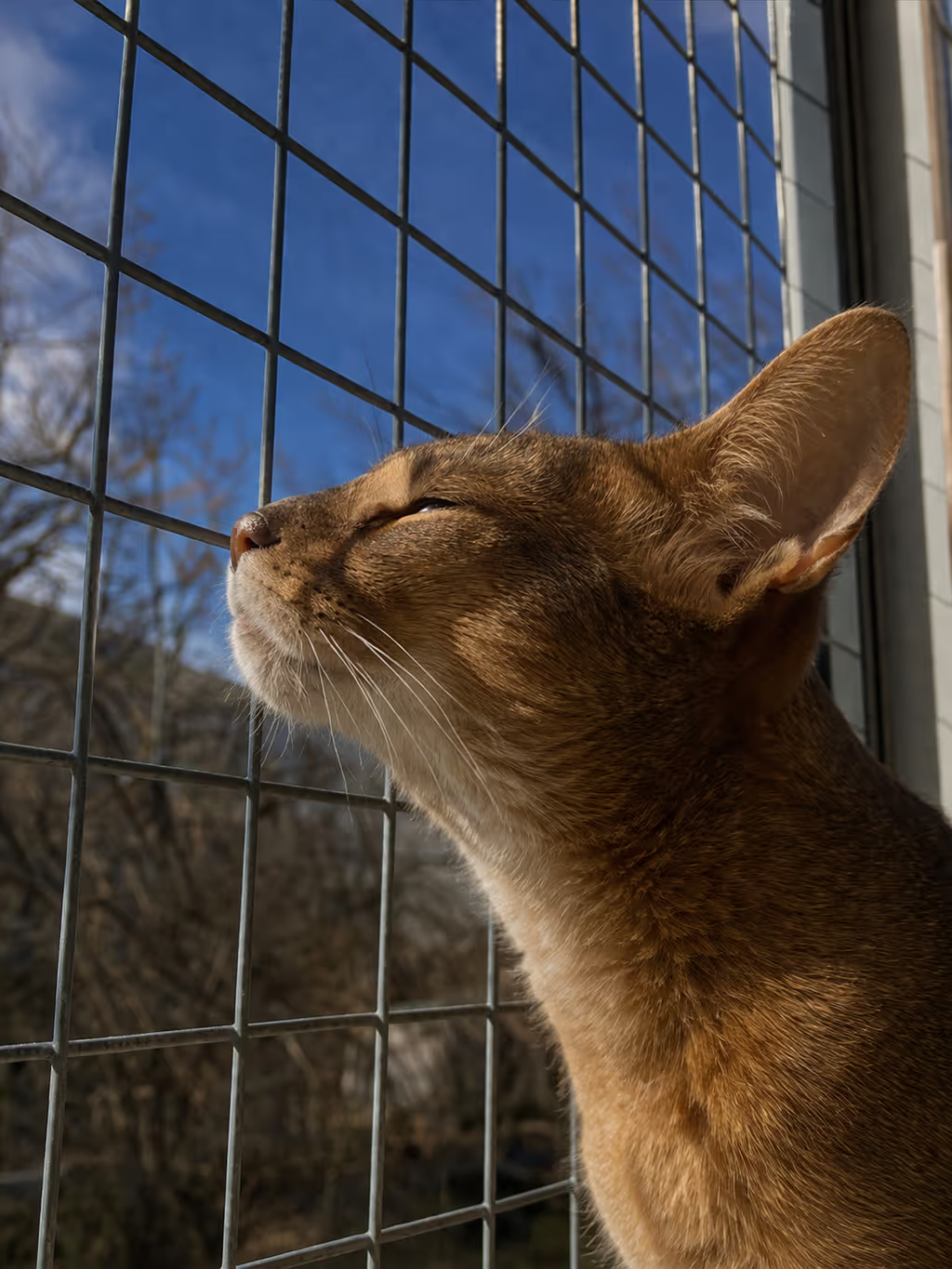
As a practical guideline: a kitten that is over 4 months old and of average or above-average size for their breed is generally past the point of fitting through a 5x5cm mesh opening. The BalconyCat standard mesh (5x5cm) is safe for cats over 4 months.
For kittens under 4 months, for small breeds that stay smaller than average, or if you have any uncertainty about whether your specific kitten can fit through your specific mesh — use the finer 2.5x2.5cm mesh and do not assume. When in doubt, err on the side of caution. Retrofitting is always possible. A fall is not reversible.
The Window Enclosure Advantage for Kitten Owners
One practical reason kitten owners often prefer a window-mounted enclosure over a balcony catio: the access point is controlled. With a balcony catio, access is typically through a door — and a door can be left ajar, not properly latched, or opened by a child or visitor. A window-mounted enclosure is accessed through a window that the kitten cannot open. The window controls access, and the window stays closed when the kitten is not supervised.
This is not a reason to choose one solution over another on its own, but it is a factor worth thinking about in homes with multiple people, children, or guests who might not be as careful about a balcony door as you would be.
Have a kitten and thinking about a window enclosure — or about upgrading to the finer 2.5x2.5cm mesh? We'll help you figure out the right configuration.
See the BalconyCat steel enclosure →