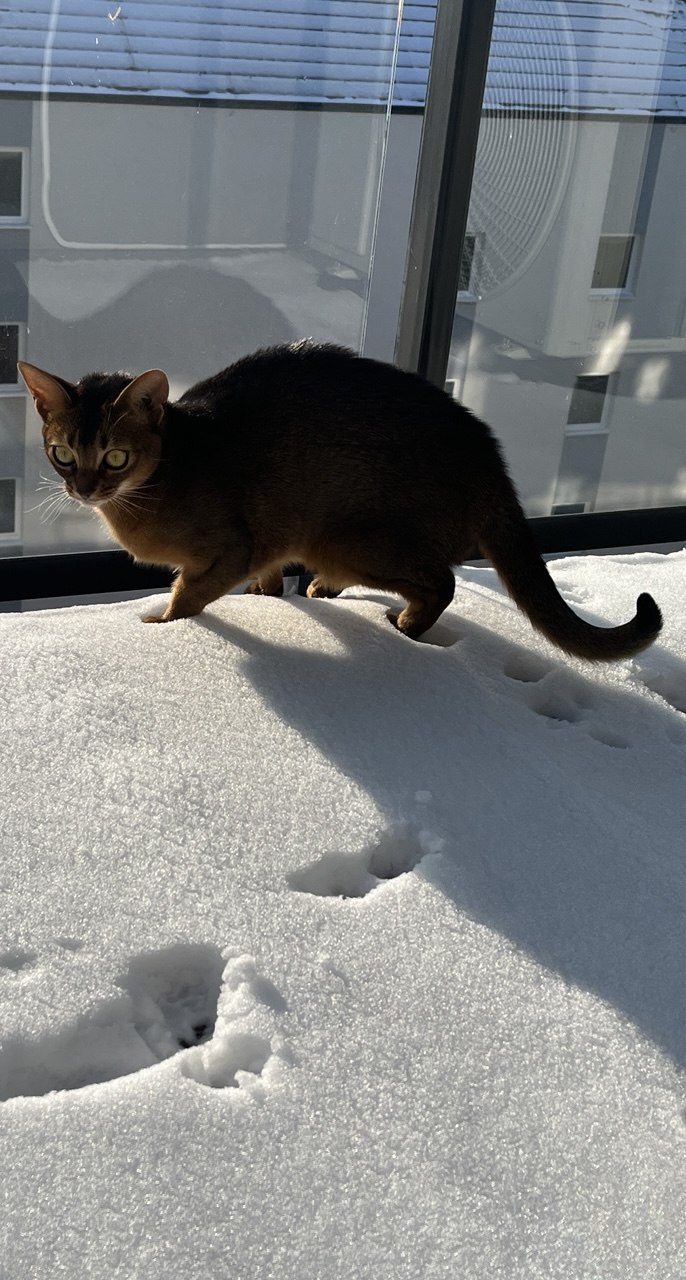
You have a cat who lives entirely indoors. You also have a balcony. You'd like those two facts to coexist productively. This post covers everything you need to know to make that happen safely — why it matters for your cat, what you need to set up, what to buy, and how to introduce your cat to a space they may have never accessed before.
Why Indoor Cats Specifically Benefit from Balcony Access
An indoor cat's life is consistent in ways that are both comfortable and limiting. The territory is fixed. The smells don't change. The visual field is constant. For a significant proportion of indoor cats, this consistency creates a deficit in stimulation their nervous system was built for. The result tends to show up as: furniture scratching that seems excessive, anxiety behaviours (over-grooming, hiding, aggression), restlessness at windows, or what behaviourists describe as a generally under-stimulated presentation.
Balcony access addresses this deficit directly. What a cat gets from even ten minutes on a secure balcony: moving visual targets (birds, traffic, people) that engage the predatory tracking system; changing smell information from the wind that no indoor environment can replicate; different light — natural daylight at changing angles for circadian rhythm regulation; ambient sound (wind, rain, city noise); temperature variation — even a mild breeze on warm fur is a sensory experience indoor cats typically don't get. The research on indoor cat enrichment is consistent: cats with outdoor access (safe or simulated) show measurably lower stress indicators than cats without it. Your indoor cat wants the balcony. Safely giving it to them is one of the most effective things you can do for their quality of life.
What You Need to Set Up First
The only non-negotiable is containment. An indoor cat given access to an uncontained balcony is a cat at risk of falling. This is non-negotiable regardless of your cat's temperament, age, or how calm they seem. The fall risk is structural — it exists because of the open edge, not because of the cat's character. You need a containment solution before your cat uses the balcony.
Which Containment Solution for an Indoor Cat?
The Calm, Older Indoor Cat (Low Prey Drive)
A calm cat who has never shown interest in escaping is lower-containment-demand than a young or athletic cat. Recommended: premium nylon balcony net with roof panel, or modular panel enclosure. Floor requirement: adequate up to approximately the third floor. Above that, structural containment is the right call regardless of the cat's temperament.
For renters and movers who can't drill, a removable no-drill steel enclosure gives real safety and comes with you to the next flat.
The Curious or Athletic Indoor Cat
Many indoor cats who appear calm indoors transform when they encounter the stimulation of an open balcony. The bird that appears on the railing, the cat they can smell two floors below — these triggers can activate behaviours you haven't seen indoors. Athletic cats who have never had reason to jump to height at home may suddenly demonstrate what they're capable of. Recommended: modular panel enclosure with roof panel, or custom steel window enclosure. Floor requirement: any floor; if above the third, steel enclosure is the better choice.
The Indoor Cat Who Has Never Been Outside
A cat who has lived entirely indoors may find the balcony overwhelming initially. They may be hesitant, retreat quickly, or not use the space for the first week. This is normal. Don't mistake hesitancy for preference. Given time, most cats acclimatise and begin using the space enthusiastically. The containment solution doesn't need to be different — just give the introduction more time.
The Option That Works If You Don't Have a Platform Balcony
Many apartment cats are in flats with no balcony at all — or with a Juliet balcony (floor-to-ceiling doors that open to a shallow rail with no floor). If this is your situation, a window catio mounted on a casement window is the answer. A window catio gives your indoor cat everything they actually want from outdoor access: the fresh air, the views, the sounds, the smells. It mounts on the window frame, extends outward, and the cat sits in it at window sill level accessed through the open window. For indoor cats specifically, the window catio is often even more appropriate than a full balcony enclosure — because indoor cats who aren't used to outdoor space are more comfortable with a contained, clearly defined outdoor area than with a large open balcony space. The window catio is exactly the right scale.
How to Introduce Your Indoor Cat to the Balcony
Once your containment is installed and tested, follow this sequence. Days 1–2: leave the window or door open and let the cat investigate at their own pace. Don't encourage. Don't discourage. Days 3–5: sit near the entrance yourself. Your calm presence communicates the space is safe territory. Bring something the cat values near the entrance. Days 5–7: most cats are accessing the space independently by this point. If not, don't force it. Some cats take two to three weeks. Week 2+: the cat is using the space on their own terms. This is the ongoing goal — voluntary, daily access to outdoor enrichment on their schedule.
What Your Cat Will Likely Do on the Balcony
Most indoor cats find a favourite spot quickly. Often it's the highest point of the enclosure, or the corner with the best sightline to bird activity. They'll lie there, entirely still, for extended periods — watching, listening, smelling. This is not boredom. This is highly active mental engagement. The cat is processing more sensory information than their indoor environment typically provides. The stillness is concentration, not inactivity. You'll also notice scratching activity on whatever outdoor surfaces are available. Outdoor scratching feels different from indoor scratching and cats who have both options often prefer the outdoor one.
The Bottom Line for Indoor Cat Owners
Giving your indoor cat safe balcony access is one of the highest-value things you can do for them. The behaviour and wellbeing improvements are real and usually visible within weeks. The only requirement is containment. Don't give them access before that's in place.
Custom steel window enclosures from 899€. No drilling. Ships across Europe. If you need help figuring out which containment solution is right for your flat, your cat, and your floor — we're here for that conversation.
get BalconyCat →