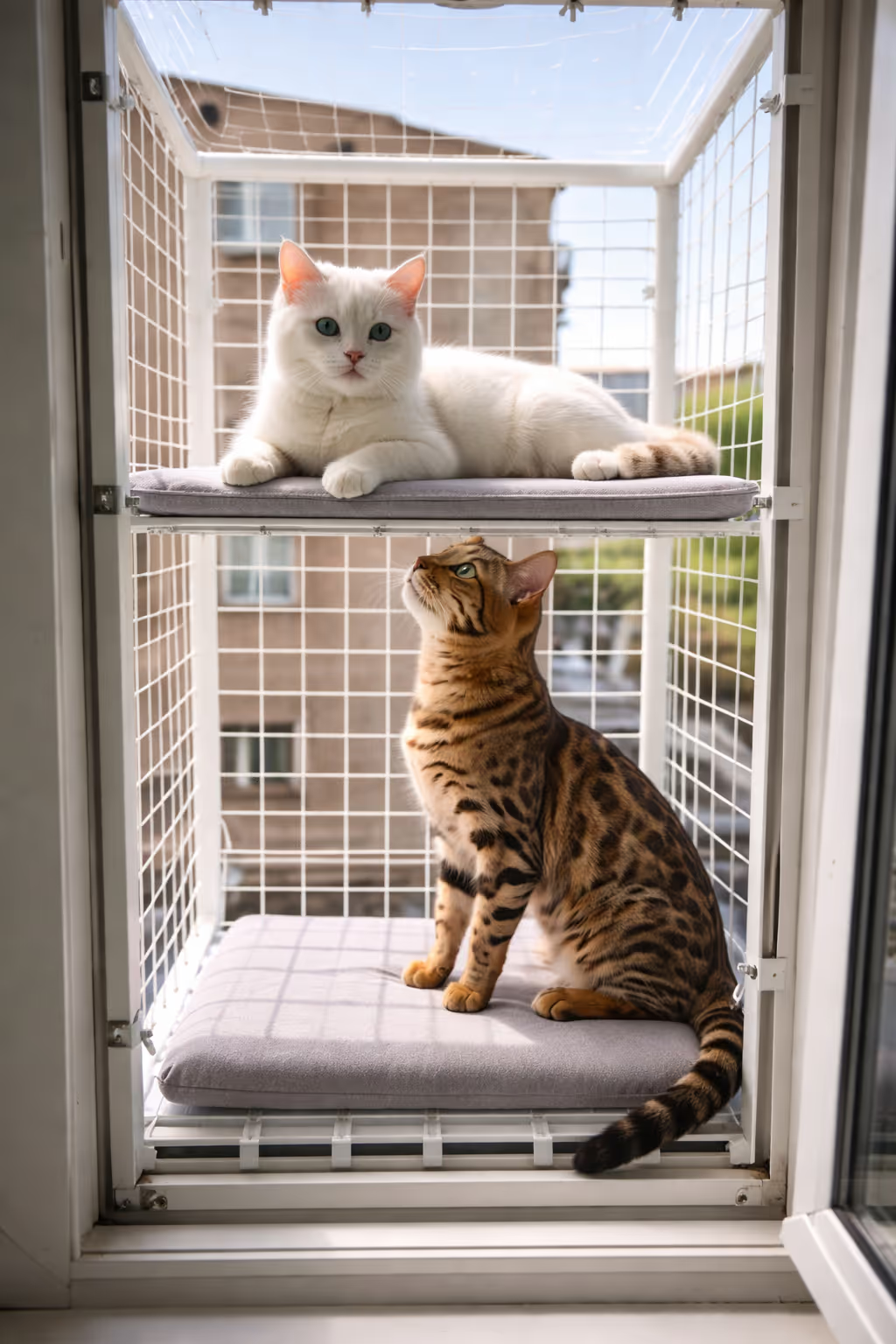
Apartment cats have one of the rawest deals in the animal kingdom. They can see outside. They can smell it. They press their faces against the glass and watch pigeons with an intensity that would unsettle most people. A catio for an apartment balcony gives them what they’re missing — but only if you pick the right one. Here’s what actually works.
What Makes Apartment Balcony Catios Different
A house with a garden gives you options. An apartment gives you constraints. The balcony is usually small. The walls are rented. The landlord has opinions about modifications. The floor above and below you has neighbours. And most importantly — you’re at height.
Every one of these constraints eliminates certain types of catio from consideration. What’s left is a short list. This guide works through it honestly.
The Four Types — What Each One Means for Apartment Living
Full Balcony Enclosure Kits
Pre-made cage-style kits that enclose the entire balcony. Usually aluminium tubing with mesh panels. What works: more space for the cat, can be large enough for the cat to live in partially. What fails for apartments: these kits are built for approximate sizes. Real apartment balconies are irregular — different widths, overhangs, railings with unusual profiles. Gaps at joints and corners are standard, not exceptional. Installation almost always requires wall anchors or railing clamps that leave marks or require drilling. For renters: not suitable in most cases.
Balcony Netting Systems
Lightweight nets tensioned across the balcony perimeter. What works: fast installation, low cost, nearly invisible from a distance. What fails for apartments: degradation is the core issue. UV exposure from apartment sun exposure — particularly south and west-facing balconies — breaks down synthetic netting in 1–2 seasons. Attachment points on rendered or painted apartment walls are a deposit risk on exit. At height, attachment point failure is not recoverable. For renters: adhesive residue risk on most wall types.
DIY Balcony Catio
Custom-built solutions using wood, mesh, cable ties, or PVC. What works: cheap, flexible, can be adapted to unusual balcony shapes. What fails for apartments: no structural testing, no load rating, no way to verify integrity before it matters. Above ground floor, failure means a cat fall. Most DIY solutions are designed to look secure, not to be tested by a motivated 5 kg cat. For renters: frequently leaves marks. Most wooden frame solutions require surface contact that risks deposits.
Window-Mounted Steel Enclosure
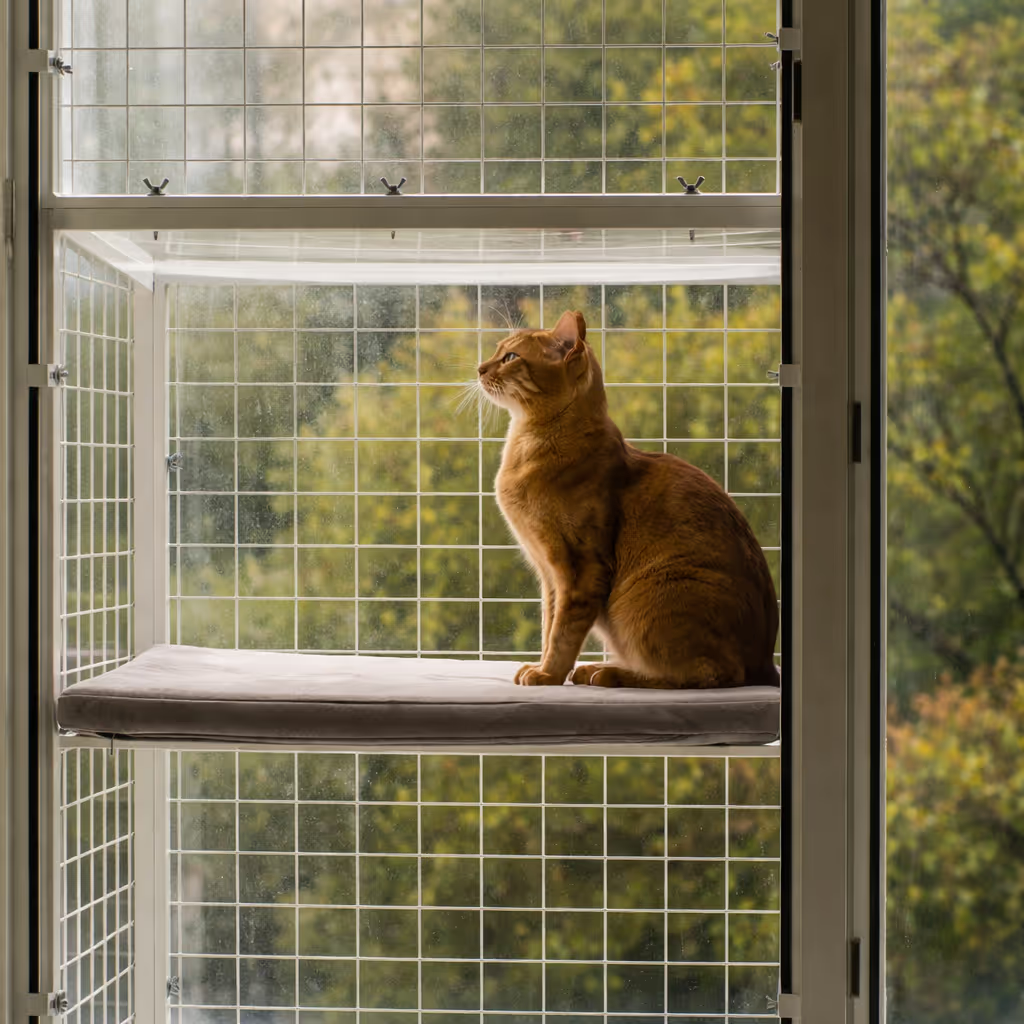
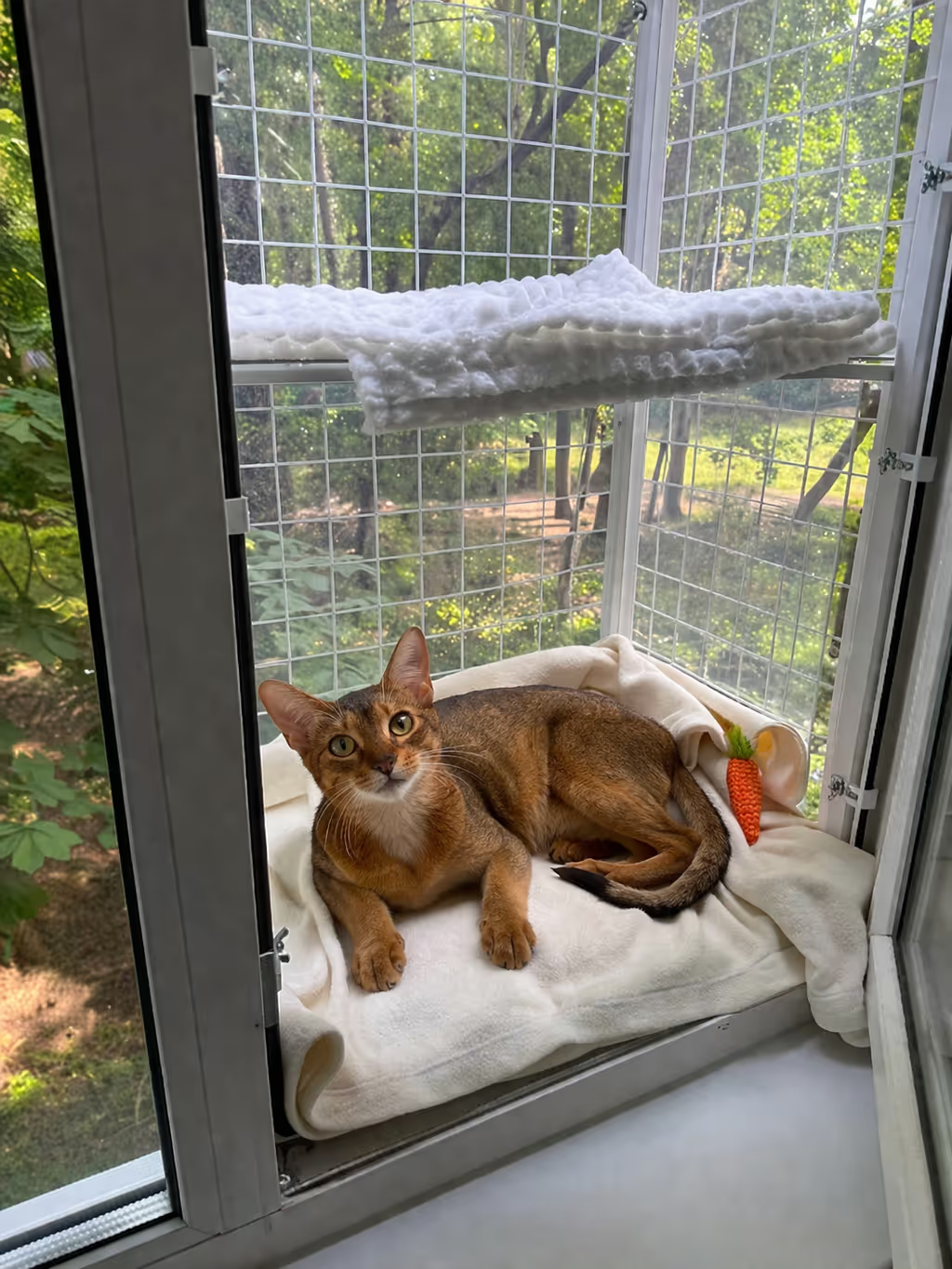
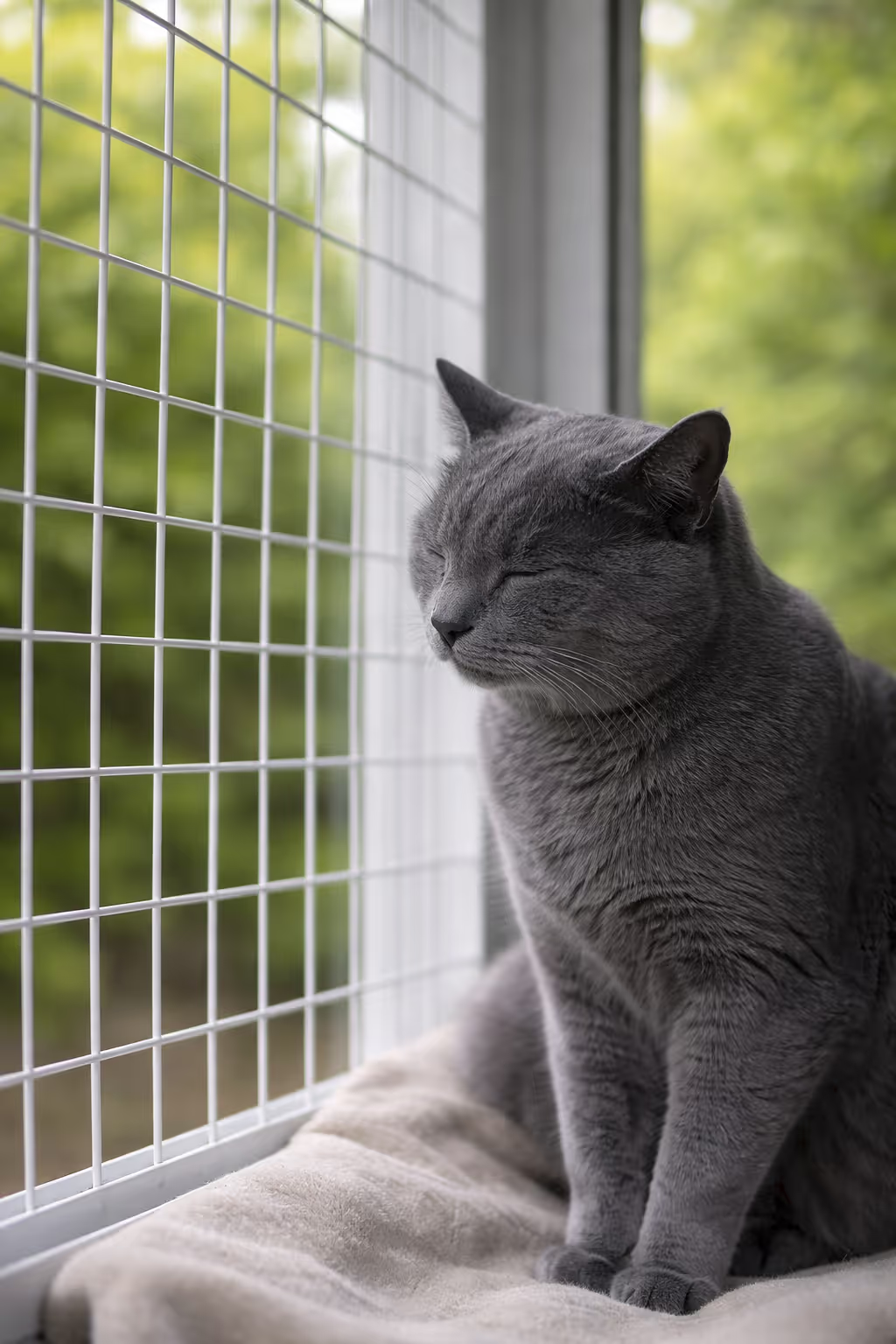
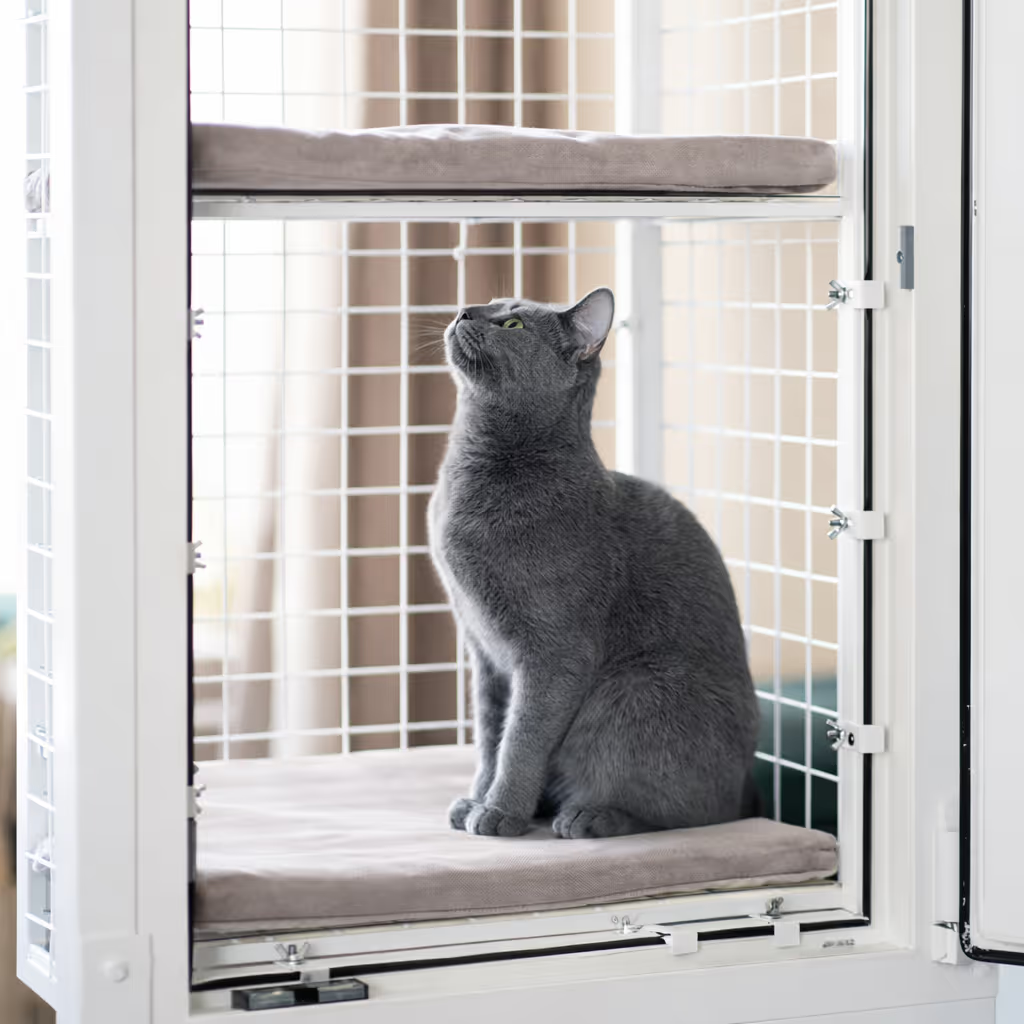
A welded steel grid custom-fitted to your window frame using bracket grips. No balcony required. No drilling. No adhesive. What works for apartments: everything specific to the apartment constraint. The brackets grip the window frame — a surface designed to be gripped and released. No wall contact, no floor contact, no marks. The enclosure extends outward from the window, creating a secure outdoor space at any floor height. Custom measurement means it fits your exact window. Welded steel grid means there are no gaps. Load rating of 40 kg means it handles whatever your cat decides to do. For renters: no drilling, no marks, fully portable. The only genuinely apartment-compatible solution.
The most reliable way to give your cat that outdoor space is a custom steel window enclosure that fits your window exactly — no drilling, and no gaps to slip through.
Why Window Matters More Than Balcony
Most apartment cat owners assume they need a balcony for a catio. They don’t. A window-mounted enclosure gives the cat everything a balcony catio gives them: fresh air, outdoor smell, the sounds of the street, a view. The difference is that it mounts to the window frame rather than enclosing a floor area. For a cat that wants to sit in the sun and watch pigeons, this is the same experience.
For apartment owners without a balcony at all, a window catio is the complete solution. For those with balconies, it’s simpler, safer, and easier to install than any balcony enclosure system.
The Apartment Renter’s Checklist
Before choosing any catio for your apartment, run through these questions:
Does this solution require drilling into any wall, floor, or ceiling? If yes — check your lease before proceeding.
Does it use adhesive on painted or rendered surfaces? If yes — test a small area first and check your tenancy agreement for surface damage clauses.
Does it require any permanent modification to the building fabric? If yes — you almost certainly need landlord permission in writing.
Can it be fully removed on moving day with no evidence it was there? If no — reconsider. A steel bracket-grip window enclosure passes all four. It is the only catio solution that passes all four.
Frequently Asked Questions
Do I need a balcony for an apartment catio?
No. A window-mounted steel enclosure attaches to your window frame and extends outward, giving your cat outdoor access without a balcony. All you need is a casement window that opens outward.
What is the best catio for a small apartment balcony?
A window-mounted steel enclosure. It requires no balcony at all, no drilling, and is custom-measured to your window — making it the ideal solution for apartment constraints of any kind.
Can I install a catio in a rented apartment?
Yes, with a bracket-grip window enclosure. It requires no drilling, no adhesive, and leaves no marks. It is fully removable and can be taken to your next property.
How long does an apartment balcony catio last?
Balcony netting typically lasts 1–3 seasons before UV and weather degradation. A galvanised steel window enclosure with powder coating lasts 10+ years under the same outdoor conditions.
Is a window catio safe for apartments on high floors?
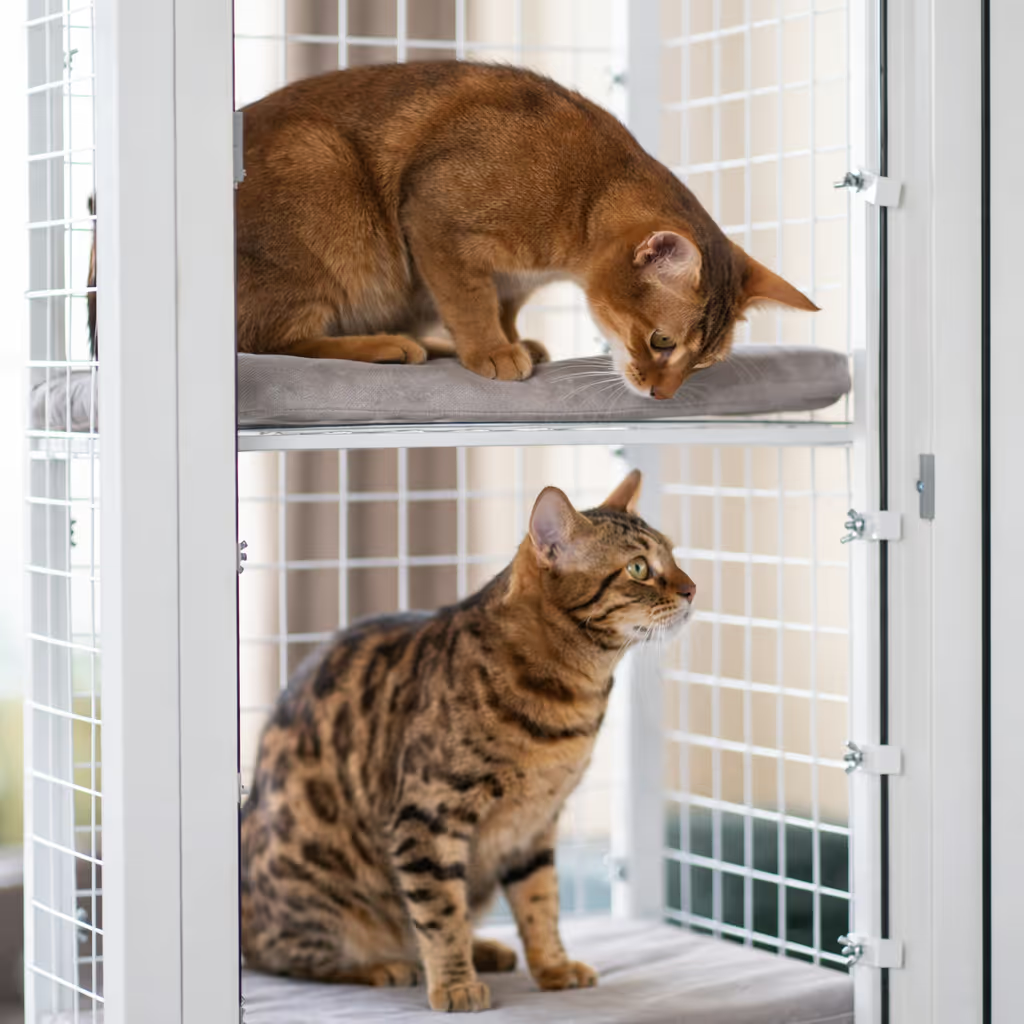
Yes. A welded steel grid with bracket attachment is structurally rated at 40 kg and dynamically tested at 70+ kg. It is safe at any floor height. Netting and adhesive-based solutions are not.
Your apartment cat deserves outside. This is the safest way to give it to them.
See the BalconyCat steel enclosure →