Cat-Proof Balcony Railing: Solutions That Hold
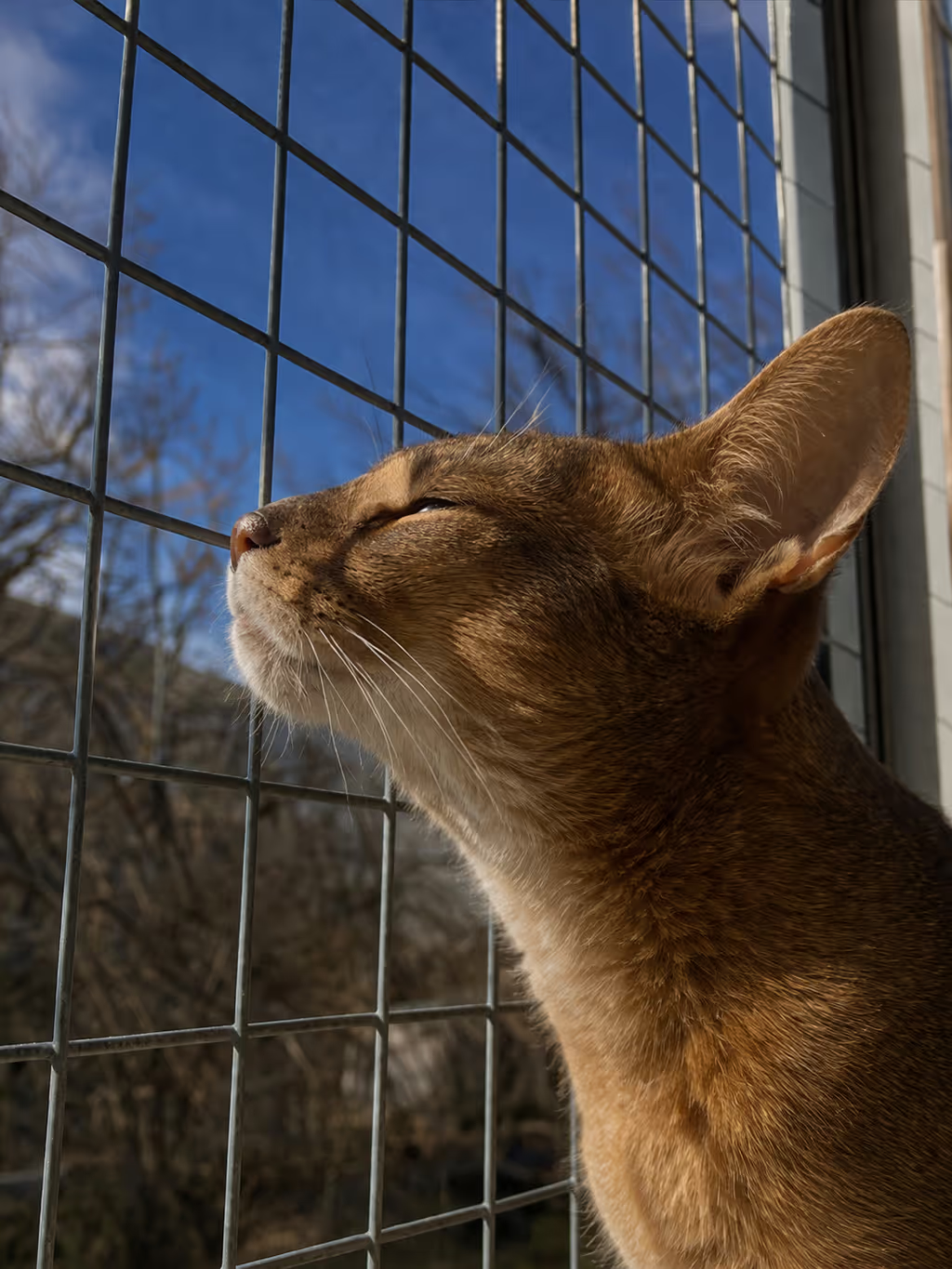
A balcony railing is not designed to contain a cat. The gaps are too wide, the surface too easy to climb, and the top rail a perfect launch point for a curious animal. Cat-proofing a balcony railing is one of the most common problems cat owners in apartments face — and most of the solutions available fall short in exactly the moments that matter.
Why Railings Are the Hardest Part
Most balcony safety problems for cats come down to the railing. Walls are solid. Floors are solid. Railings are open by design — they let in air and light and views, which is exactly what makes them dangerous for cats.
The standard balcony railing gap in most European and UK apartment buildings is between 10 and 15 cm. A cat can squeeze through a 7 cm gap. A determined cat can push through considerably more. And climbing vertical bars or a horizontal top rail is natural behaviour for any cat with outdoor experience.
Any solution that doesn’t physically close off the entire railing perimeter — from floor level to a height the cat cannot clear — is not a solution. It’s a delay.
Solution 1 — Railing Nets
Nets stretched across the railing face are the most widely used approach. Typically fixed using clips, tension cord, or adhesive anchors along the top rail and wall edges. What works: fast to install, low cost, reduces visible gaps immediately. What fails: net attachment points are the weak link. Adhesive on painted metal railings pulls free. Clip systems flex under dynamic load — a cat jumping at the net repeatedly will find the weakest point. UV degradation over 1–2 seasons means annual replacement. On rented balconies: adhesive and clip residue on railings and walls creates deposit risk. Verdict: acceptable as a very short-term measure on lower floors. Not reliable for upper floors or persistent cats.
Solution 2 — Railing Extenders
Angled or vertical extensions that add height to the top of the railing, designed to prevent a cat from getting over the top. What works: addresses the specific problem of cats clearing the railing top. What fails: most extender systems require drilling into the railing or wall for structural attachment. Without a solid fixing, a cat putting weight on the extender can cause it to flex and detach. Off-the-shelf kits are built for approximate railing profiles — if your railing is non-standard, gaps appear at joints. On rented balconies: drilling required in most cases for genuine structural integrity. Verdict: effective only when professionally fixed to a compatible railing type. Not renter-safe without drilling.
Solution 3 — Full Balcony Cage Enclosure
A full cage system that encloses the balcony perimeter entirely — typically aluminium tube frame with mesh panels. What works: complete enclosure means no gaps in theory, more durable than netting. What fails: off-the-shelf kits assume standard balcony dimensions. Real balconies rarely cooperate. Gaps at corners, top rail junctions, and door frames are common. All structural fixings require drilling. Installation reversal leaves marks. On rented balconies: not suitable without landlord permission. Verdict: the most complete balcony-based solution but requires drilling and rarely achieves perfect fit without custom manufacturing.
Why the Railing Isn’t the Right Starting Point
Every railing-based solution shares a fundamental constraint: it has to work with the railing. And railings are awkward — non-standard profiles, unusual junctions, gaps at corners, surfaces that don’t accept adhesive cleanly.
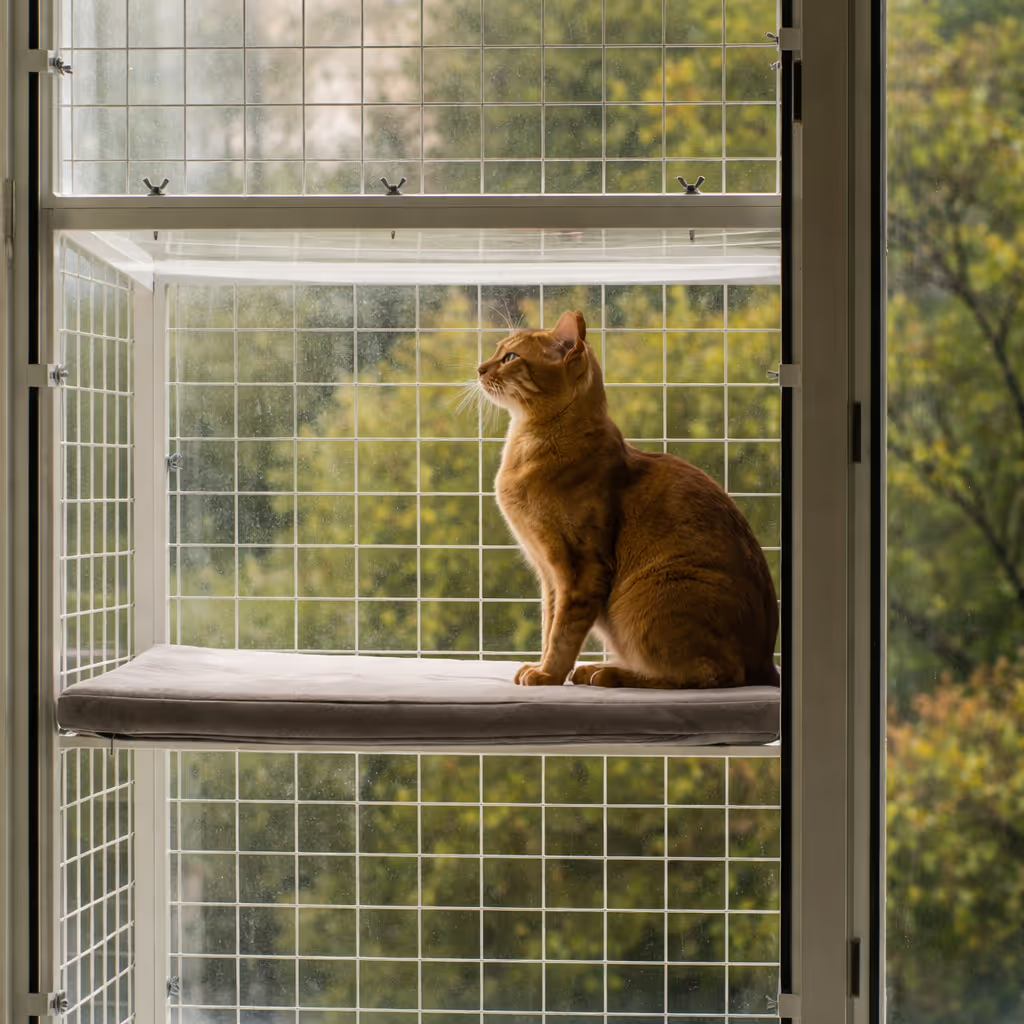
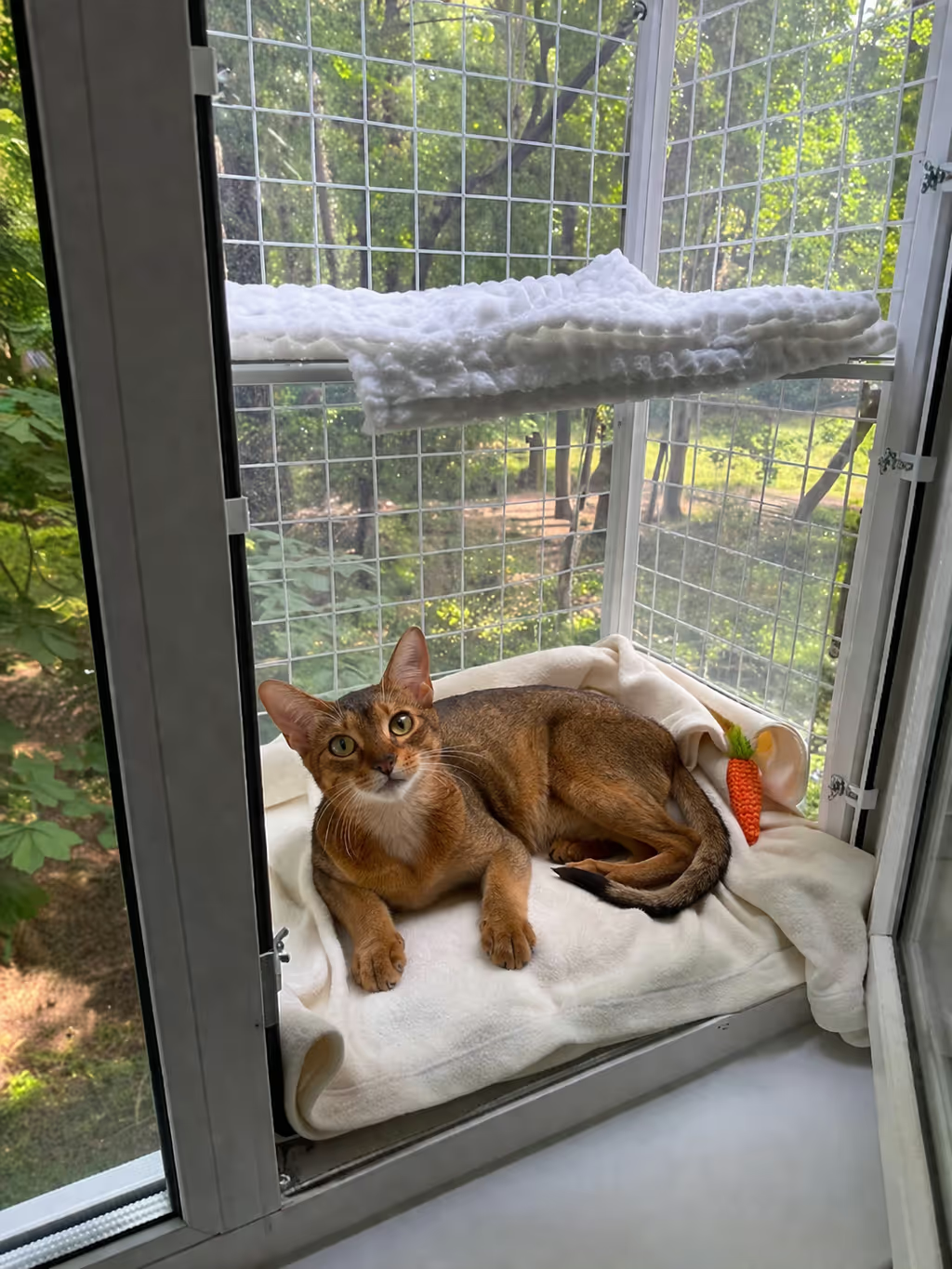
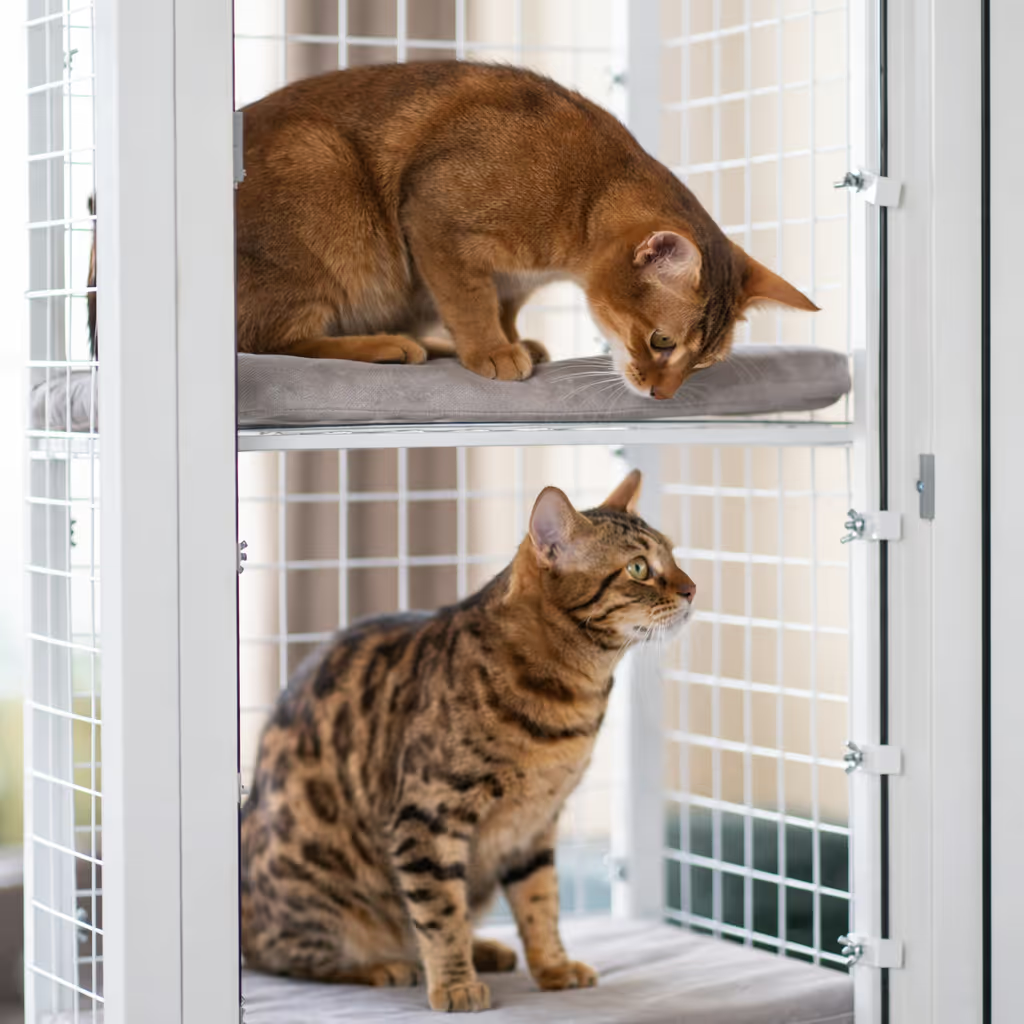
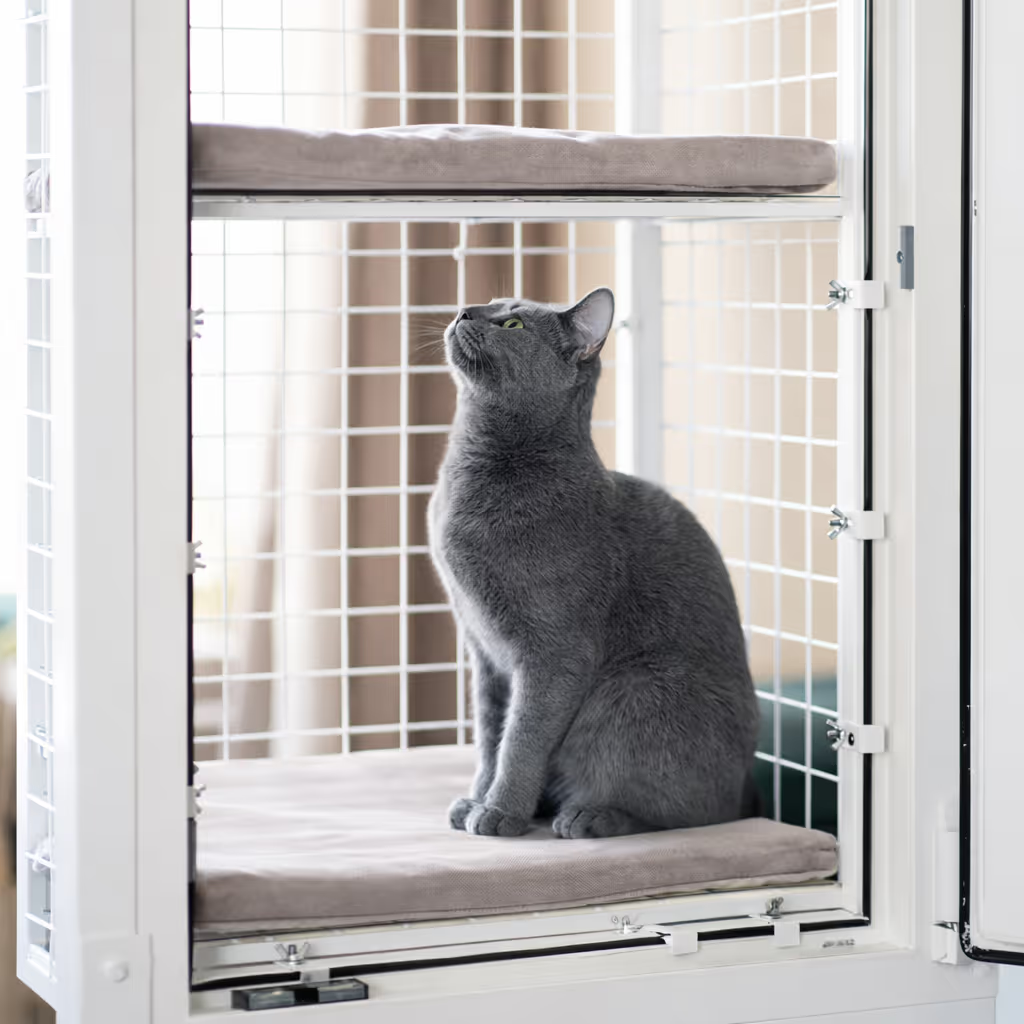
The more effective approach is to move the containment point from the railing to the window. A window-mounted steel enclosure removes the railing from the equation entirely. The cat accesses the outside through the window, into a welded steel enclosure that extends beyond the building face. The railing is irrelevant — the cat never gets to it.
No gaps. No adhesive. No drilling. No deposit risk. The enclosure is custom-measured to the window frame and load-tested to 40 kg. It handles rain, sun, and the full weight of a determined cat. Verdict: the only solution that sidesteps railing constraints entirely. Works on any floor, any balcony type, any railing profile.
Frequently Asked Questions
How do I stop my cat getting through balcony railing gaps?
The most reliable method is to move containment to the window rather than the railing. A window-mounted steel enclosure gives the cat safe outdoor access without reaching the railing at all.
Can I cat-proof a balcony railing without drilling?
Netting and clip systems avoid drilling but are not structurally reliable at height. A window-mounted steel enclosure with bracket grips requires no drilling and is load-rated — the only no-drill option with genuine structural integrity.
What is the safest way to cat-proof a balcony?
A custom steel window enclosure. It removes the railing constraint entirely, has no gaps, is tested to 40 kg, and mounts to the window frame without drilling or adhesive.
How do I cat-proof a rented balcony?
Use a window-mounted steel enclosure with bracket grips. It requires no drilling, leaves no marks, and is fully removable — the only solution that is simultaneously safe and renter-compatible.
Do balcony railing extenders work for cats?
Only when structurally fixed to a compatible railing. Most off-the-shelf extender systems require drilling and still leave gap risks at non-standard junctions. A window enclosure is more reliable and requires no railing modification.
No railing worries. No drilling. Just a safe outdoor space your cat will actually use.