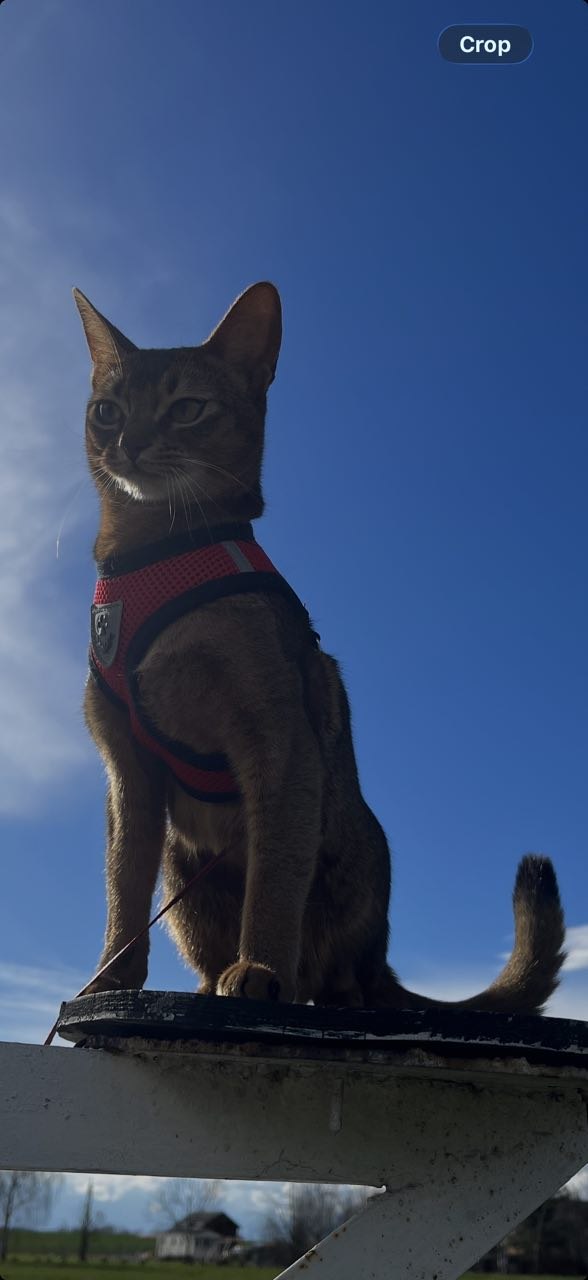
Cat nets for balconies are everywhere. They’re cheap, they ship fast, and they look like they should work. The problem is what happens six months later — or on the day a determined cat finds the one weak point you didn’t notice. This is an honest comparison of every option on the market, written by people who make the alternative.
Why Cats Need Balcony Protection at All
Cats have no concept of height danger. The instinct that makes them great hunters — fearless, fast, built for motion — is the same instinct that sends them over a railing without hesitation. A startled cat, a bird that flies too close, a sudden noise. That’s all it takes.
Falls from height are one of the most common causes of serious injury in urban cats. The irony is that it’s almost entirely preventable. The question isn’t whether to protect your balcony — it’s which solution you can actually trust.
The Main Options — What’s on the Market
There are four approaches most cat owners consider. Here’s what each one actually involves.
1. Cat Nets and Mesh Netting
The most widely sold solution. A net or mesh panel is attached around the balcony perimeter using adhesive anchors, tension wires, or clip systems. Prices start from under 50€. What it does well: quick to install, low cost, visually unobtrusive from a distance. What it doesn’t do well: netting degrades in UV light. Most manufacturers don’t publish a rated lifespan — because it’s typically 1 to 3 seasons before the material becomes brittle. Cat claws accelerate this significantly. The attachment points — adhesive pads, plastic clips, tension hooks — are the structural weak link. They pull free from rendered walls, painted surfaces, and PVC window frames far more easily than the product listing suggests. The failure mode matters here. A net doesn’t fail by going slack — it fails suddenly, at one point, when a cat is already leaning against it.
2. Balcony Cage Enclosures
A freestanding or wall-mounted cage structure — typically aluminium or powder-coated steel tubing — that encloses part or all of the balcony. More substantial than netting, starting from 200€–400 for basic kits. What it does well: more durable than netting, better load capacity, can be large enough for the cat to move around freely. What it doesn’t do well: most off-the-shelf cage systems are designed to approximate standard balcony sizes — not fit them precisely. Gaps at corners, mismatched frame widths, and flex in lightweight aluminium tubing are all common issues. A cat that finds a gap will use it.
3. DIY Solutions
Cable ties, garden netting, zip-lock mesh, wooden frames. Widely documented on Reddit, YouTube, and Pinterest. Genuinely functional in some cases — and genuinely dangerous in others. The problem with DIY balcony cat-proofing isn’t the concept. It’s that the structural integrity is entirely dependent on the builder’s skill, the materials chosen, and the attachment method. There is no testing standard. There is no load rating. There is no one to call if something fails. For ground floor setups or enclosed gardens, DIY is reasonable. For any apartment above the ground floor, it is not.
4. Window-Mounted Steel Enclosures
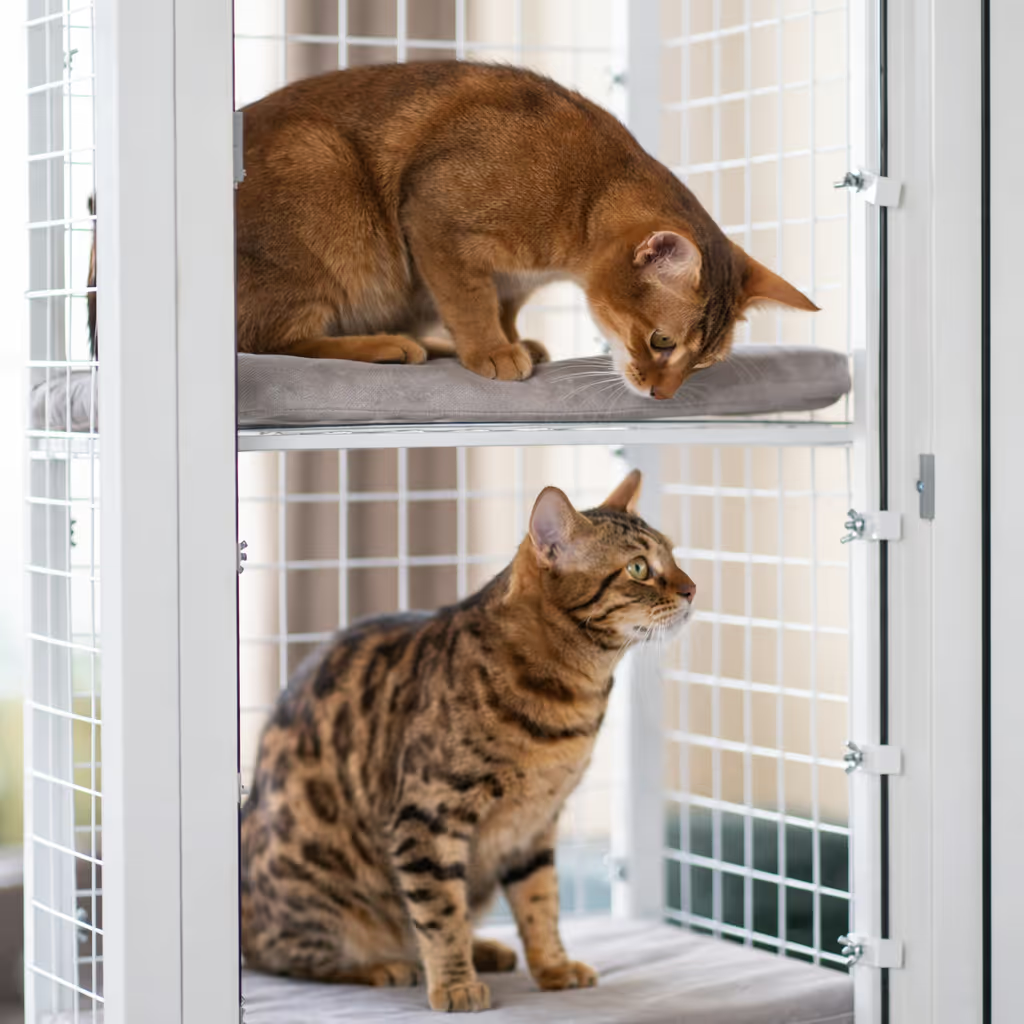
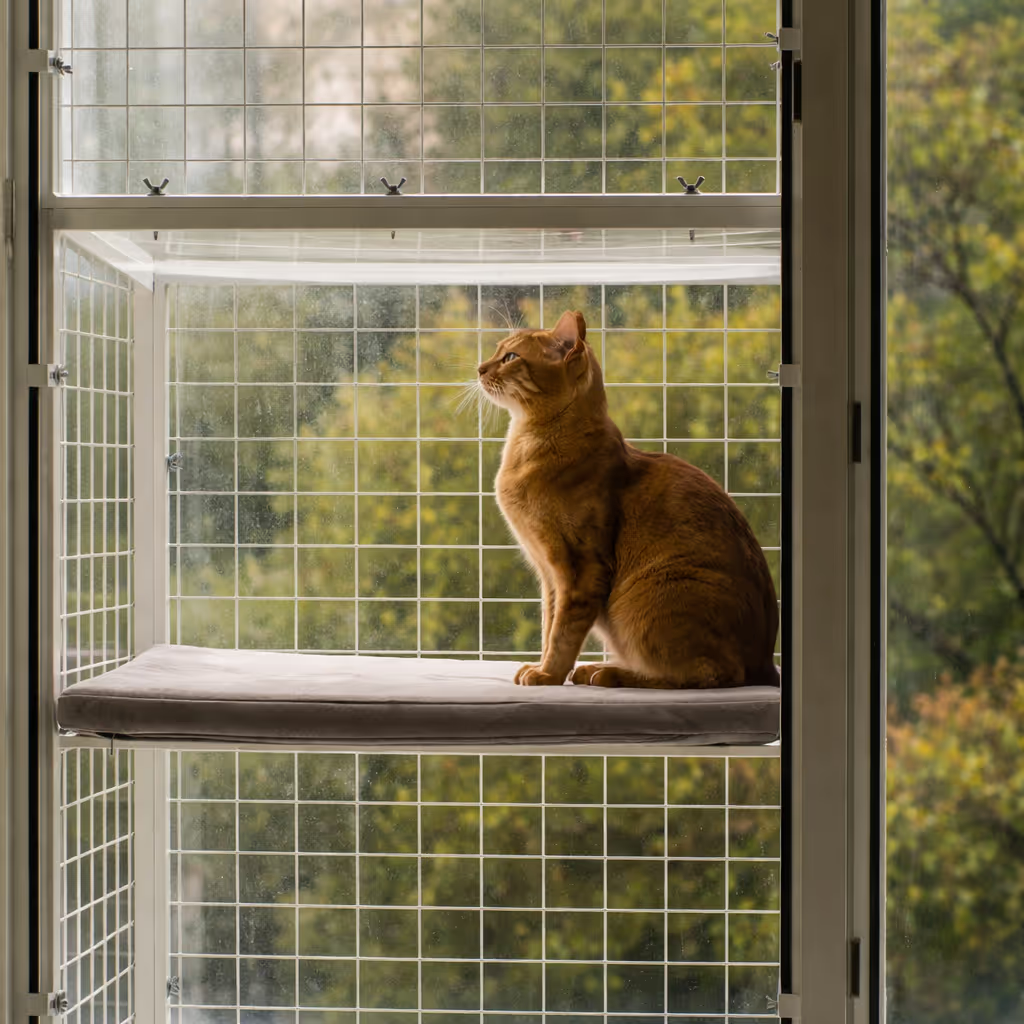
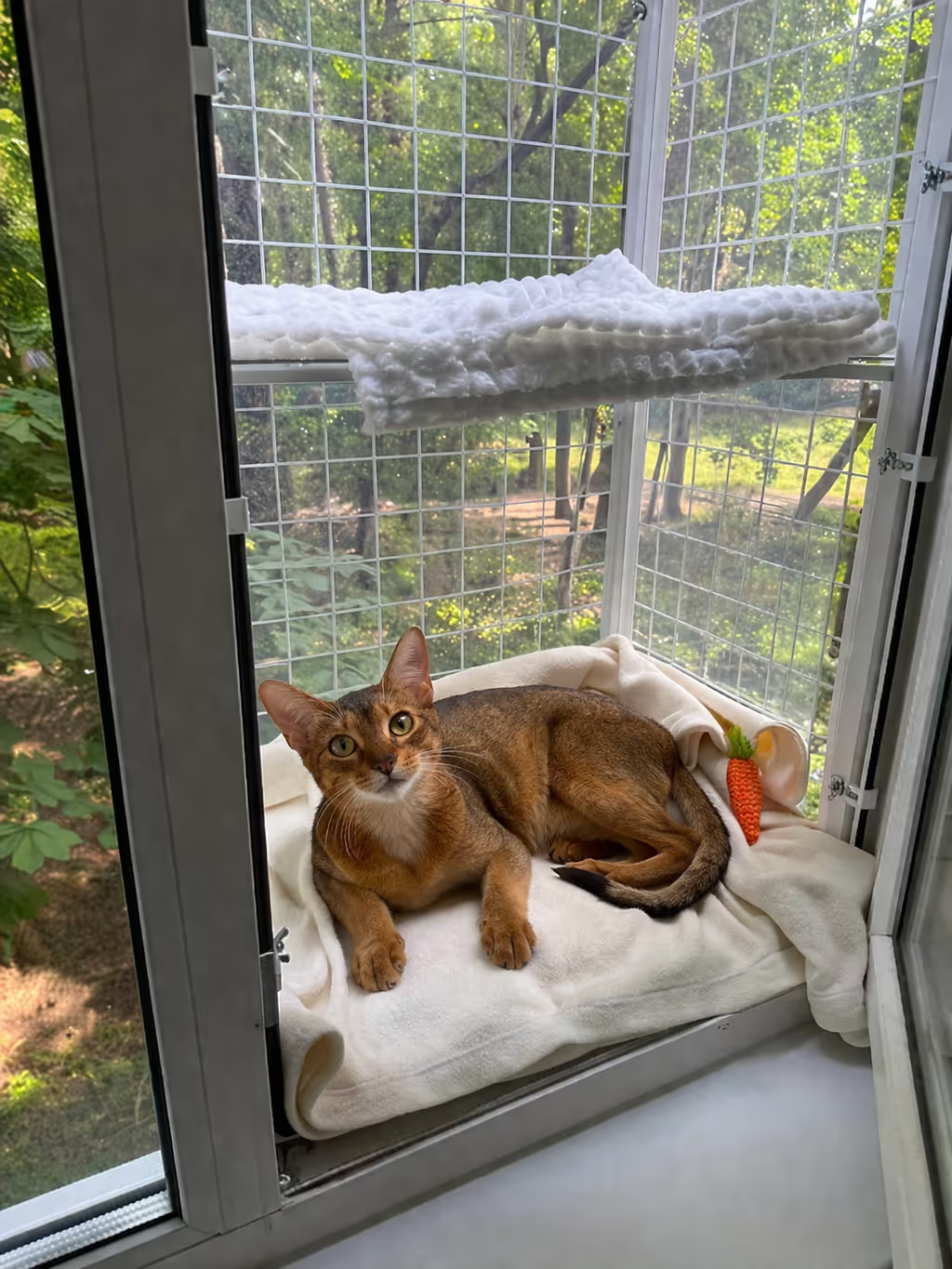
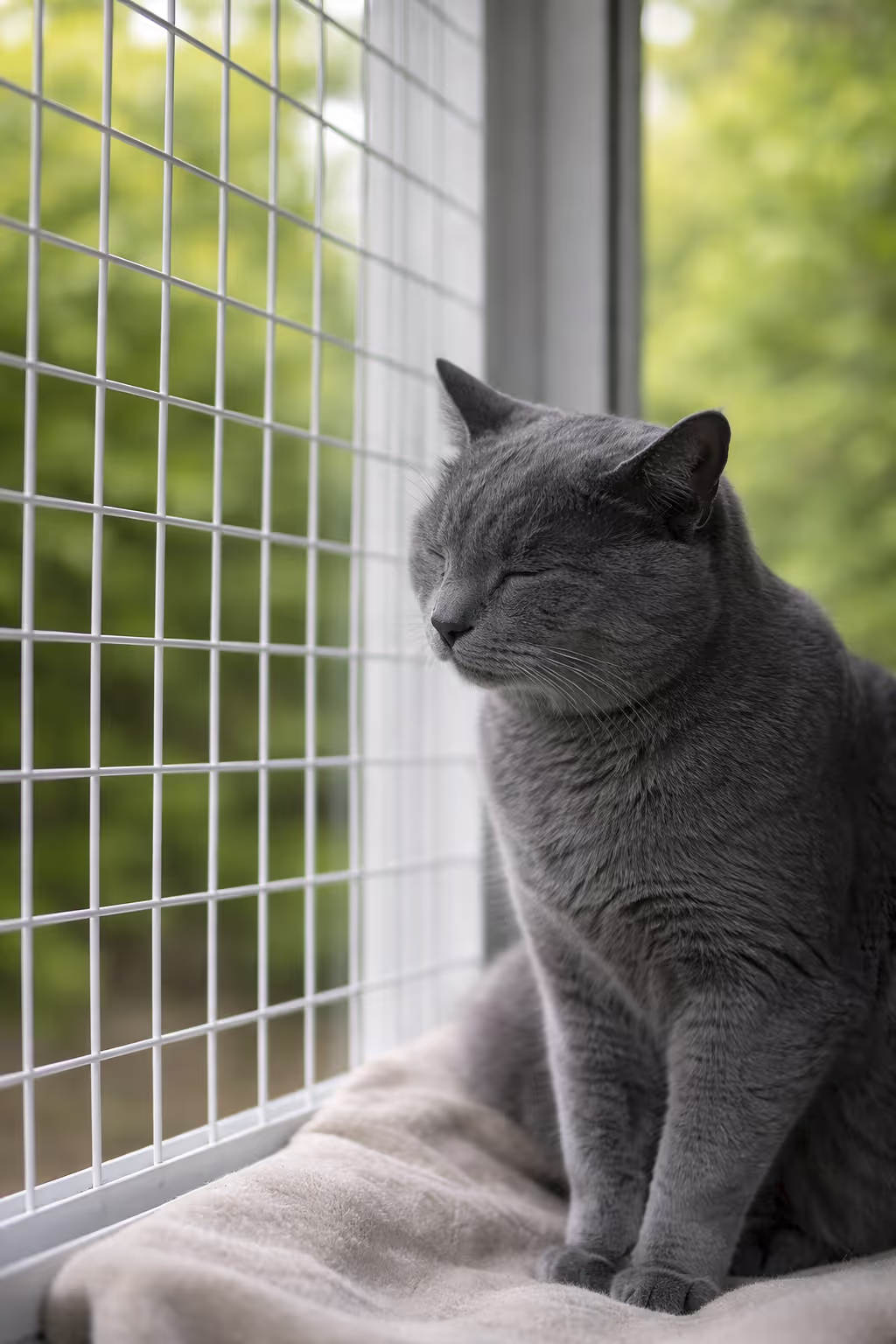
A welded steel grid fitted to a steel frame, mounted directly onto the window frame using steel corner brackets — no drilling, no adhesive, no wall contact. The enclosure extends outward from the window, giving the cat a safe open-air space outside the glass. This is the category BalconyCat builds in. One product, custom-measured for your exact window, built by hand in Poland from galvanised steel with a powder-coated finish. Load rated to 40 kg, dynamically tested at 70+ kg of human weight.
Head-to-Head — The Honest Comparison
No sales language. Just the five questions that matter.
If you're weighing nets against steel, our protective steel mesh is the rigid, bracket-fixed answer to the same problem.
Will it hold a determined cat?
Netting: depends on attachment point integrity and material age. Cage: depends on frame quality and fit precision. DIY: unknown — no standard. Steel enclosure: yes. Welded steel grid does not flex, tear, or pull free.
How long will it last?
Netting: 1–3 seasons outdoors before UV and claw damage accumulate. Cage: 3–7 years depending on material quality. DIY: unknown. Steel enclosure: 10+ years. Galvanised steel with powder coating does not rust, warp, or degrade in normal outdoor conditions.
Does it require drilling?
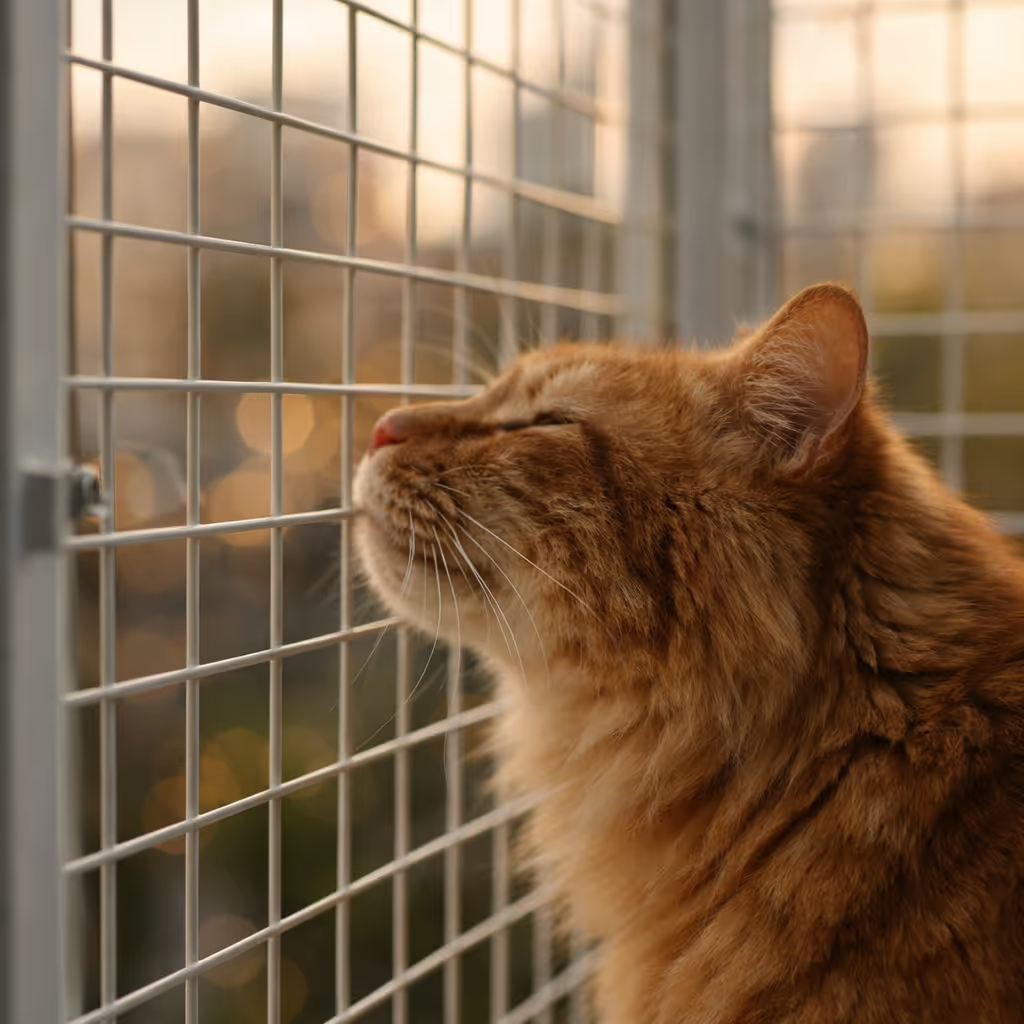
Most netting and cage systems require wall anchors or drilled fixings for proper installation. A window-mounted steel enclosure with bracket grips requires no drilling — it grips the window frame and is fully removable.
Is it suitable for renters?
Netting with adhesive pads can leave marks on painted walls. Cage systems with drilled anchors are a problem on most leases. A bracket-grip window enclosure leaves no marks and can be removed completely — making it the only genuinely renter-safe option.
What does it cost over 5 years?
A 50€ net replaced every 2 seasons costs 125€+ over 5 years, plus installation time and anxiety each replacement. A steel enclosure at 899€ costs 899€ over 5 years — and is still structurally sound at the end of it.
What Cat Nets Actually Fail At
Cat nets are rated for containment under normal conditions. They are not rated for dynamic load — a cat launching itself at the net at speed. They are not rated for claw abrasion over time. They are not rated for UV exposure in specific climates. And critically, most of the adhesive or clip-based attachment systems are not load-tested as part of the complete installed system — only the net material itself is tested, if at all.
This doesn’t mean netting never works. It means that when it fails, it fails without warning — and the consequences are serious. A steel grid fails differently: it doesn’t fail. The weld points, the frame, the mesh — none of it degrades under normal use. That’s not a marketing claim. It’s a material property.
Which Option Is Right for You?
If you’re on a ground floor, have a small budget, and your cat is calm and not a climber — netting can work as a temporary measure. Watch it carefully and replace it before it shows wear.
If you’re above ground floor, if your cat is active or curious, if you’re in a rented flat, or if you simply want to stop thinking about it — a window-mounted steel enclosure is the correct answer. You install it once. You test it yourself. Then you open the window and stop worrying.
Frequently Asked Questions
Are cat nets safe for balconies?
Cat nets provide a basic level of protection but degrade over time and are only as strong as their attachment points. For ground floor use with careful monitoring they can be adequate. For higher floors or active cats, a welded steel enclosure is significantly safer.
What is the best cat-proof balcony solution?
A window-mounted steel enclosure offers the highest structural integrity, longest lifespan, and requires no drilling. It is the only solution rated for dynamic load and tested against human weight.
How do I cat-proof a balcony without drilling?
A steel enclosure with bracket grips attaches to your window frame without any wall contact or drilling. It is fully removable — the preferred solution for renters.
How long do cat balcony nets last?
Most cat netting lasts 1–3 seasons outdoors before UV degradation and claw wear make replacement necessary. A powder-coated steel enclosure lasts 10 years or more under the same conditions.
Can I use a cat net on a high-rise balcony?
It is possible but carries higher risk — attachment point failure at height has serious consequences. For high floors, a structurally rated steel enclosure is strongly recommended over netting.
Your cat doesn’t care how cheap the net was. Build it once, build it right.
See the BalconyCat steel enclosure →