A cat-friendly balcony starts with one non-negotiable requirement: it has to be safe. Everything else — the plants, the furniture, the climbing structures — only matters once the safety question is settled. This guide covers both: the safety foundation that has to be in place first, and how to turn that secure space into somewhere your cat will actually want to spend time.
Step One: Secure the Perimeter
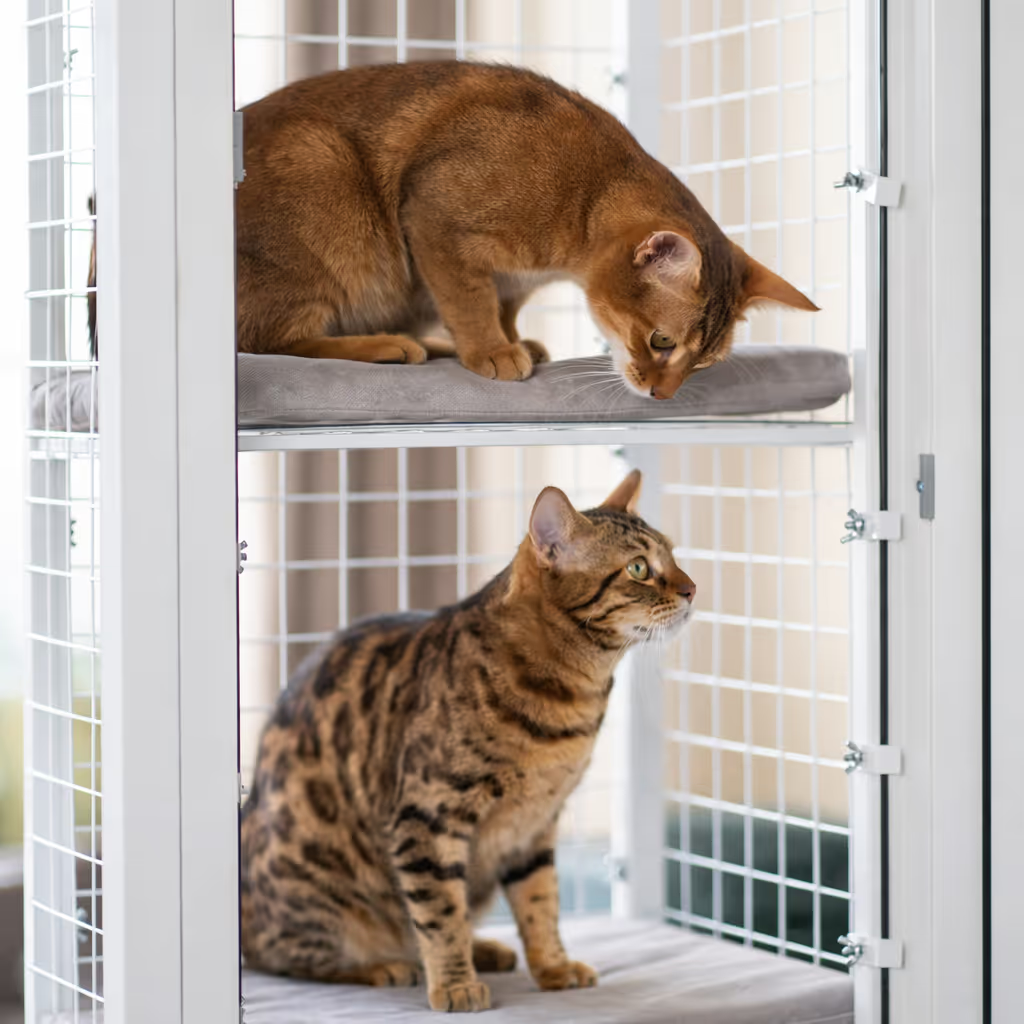
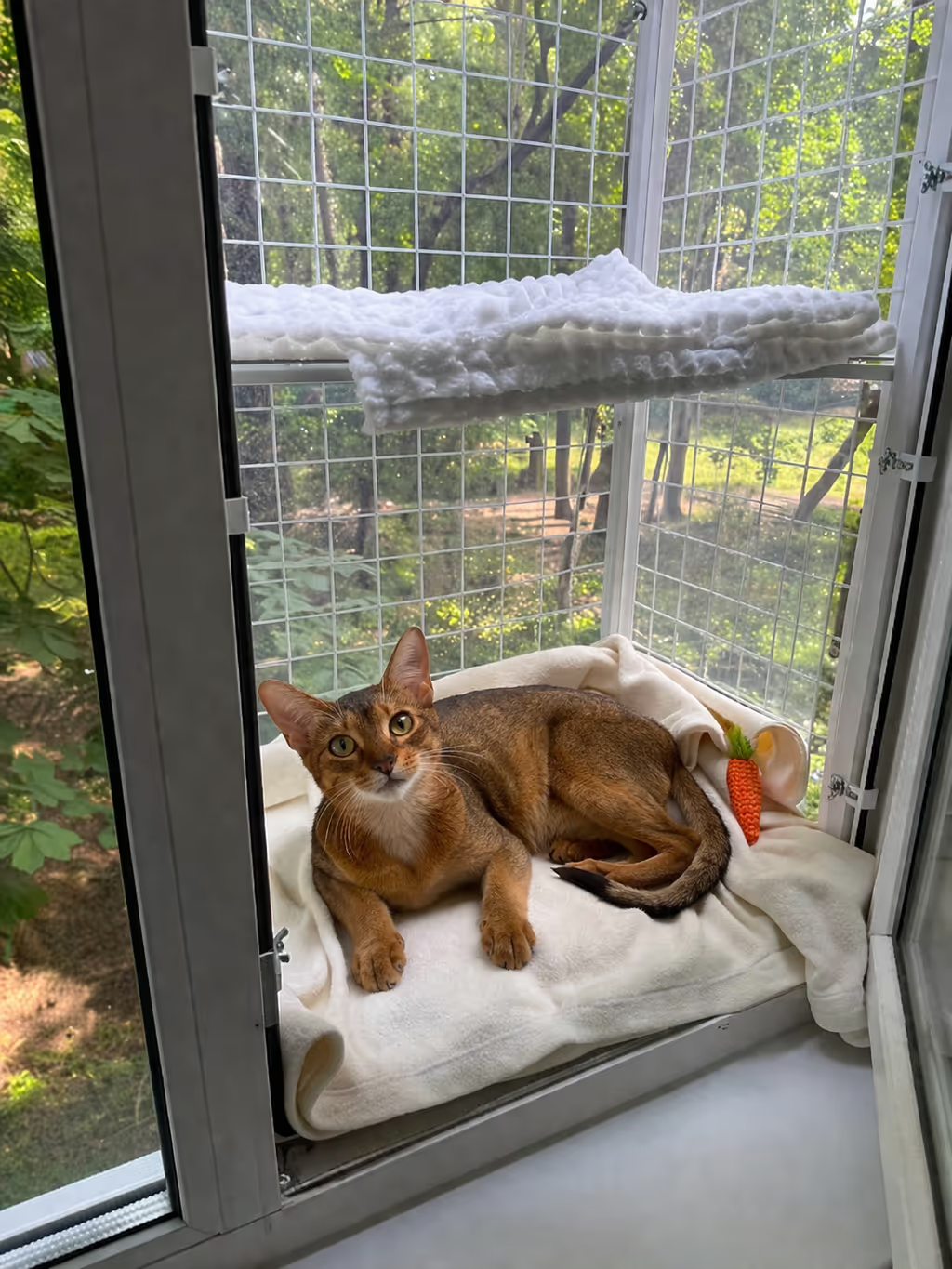
Before a single plant goes on the balcony, the question of physical containment needs a real answer. "Real answer" means a structure your cat cannot breach — not a deterrent, not a visual barrier, not something that works until it does not. It means a welded steel grid or equivalent that is attached firmly to the window or balcony frame and that you have physically tested yourself.
Gaps
Can your cat fit through any opening in the mesh or between panels? For adult cats, a 5x5cm mesh is appropriate. For kittens or slimmer breeds, use 2.5x2.5cm. If you can fit two fingers comfortably through a gap, your cat can probably fit their head — and if their head goes, the rest follows.
Attachment Points
Is the enclosure attached to the frame at multiple fixed points, or is it held with straps, tension, or adhesive? Strap and adhesive attachments loosen over time. Look for bracket or screw-fixed attachment where possible. If you use straps, check them monthly.
Load Capacity
Can the enclosure take the force of your cat jumping against a panel, hanging from the mesh, or pushing repeatedly at the same point? Test it with your hands — apply lateral and vertical force to the sections your cat will interact with most. If anything moves or rattles, it needs attention before your cat uses it.
Plants: What Is Safe and What Is Not
Many of the most common balcony and indoor plants are toxic to cats. Before you put anything on a balcony your cat has access to, check it.
Safe for Cats
Catnip (Nepeta cataria) — actively beneficial and well-known. Valerian — another plant many cats find appealing. Cat thyme (Teucrium marum). Spider plant (Chlorophytum comosum). Sunflowers (Helianthus annuus). Rosemary, thyme, and lemon balm are all safe and make good additions to a cat-accessible balcony.
Toxic to Cats — Keep Off the Balcony
Lilies (all varieties — highly toxic, including the pollen). Lavender. Geraniums (Pelargonium). Foxglove (Digitalis). Oleander. Chrysanthemums. Autumn crocus. Tomato plants (stems and leaves). This is not an exhaustive list — the ASPCA and International Cat Care both maintain searchable databases. Check any plant you are not certain about before it goes anywhere near the balcony.
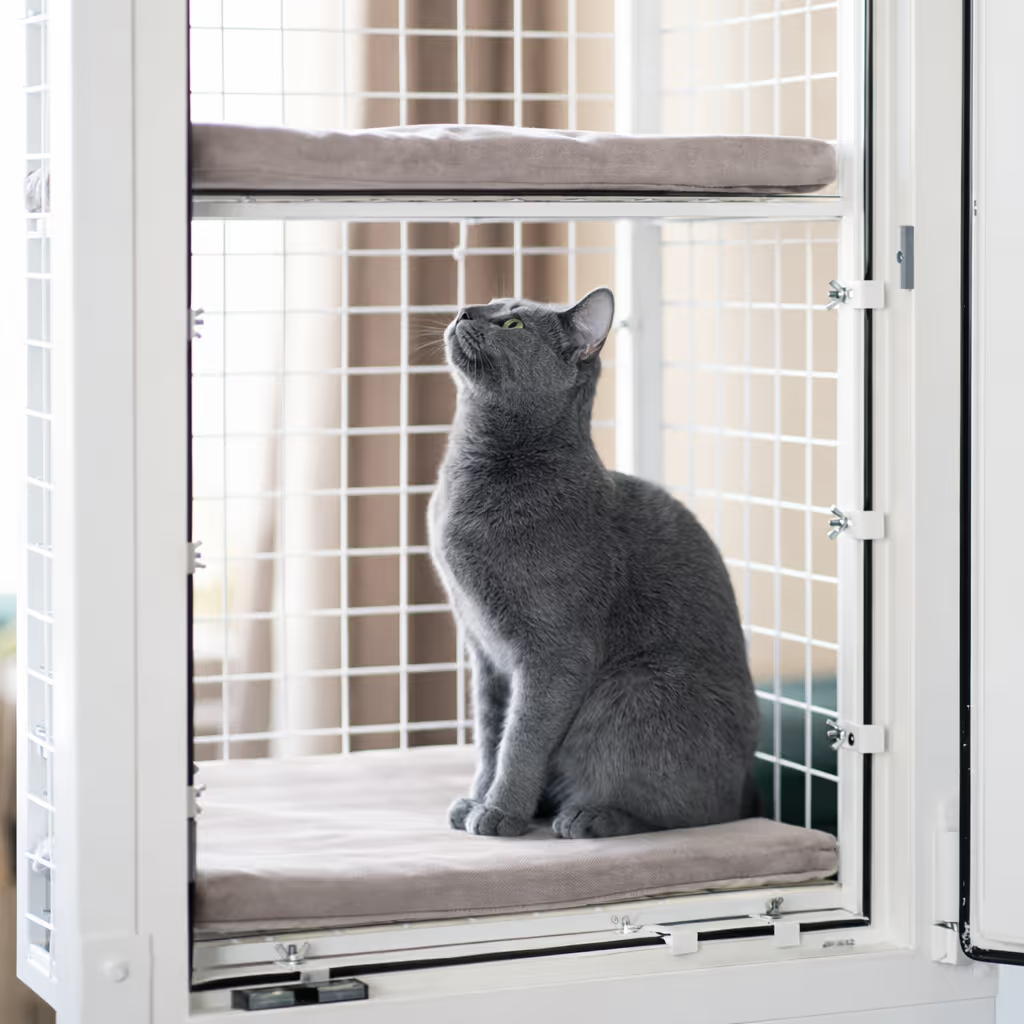
If your own check shows the current setup isn't enough, the structural fix is a welded steel window enclosure that removes every gap a cat could push through.
One practical consideration: even safe plants can cause mild digestive upset in cats that eat them in large quantities. Keep pots stable and anchored — a knocked-over pot is an avoidable mess, not a safety emergency, but still worth preventing.
Surfaces and Floor Covering
Bare concrete or tile is functional but uninviting, and it gets hot in summer and cold in winter. Outdoor rugs or matting are durable, washable, and cats appreciate the texture. Artificial grass tiles are easy to clean and satisfying underfoot. Wooden decking tiles are interlocking, warm, attractive, and need no fixings — ideal for renters. Whatever surface you choose, make sure it does not create a slip hazard when wet.
Climbing and Perching: Making the Space Three-Dimensional
Cats do not experience space the way we do. Height matters to them. A balcony that gives a cat only one level to sit on is significantly less interesting than one that offers multiple heights to explore. This does not require expensive cat furniture.
Shelving
Simple wooden shelves fixed to the balcony wall at different heights give a cat multiple viewpoints and a sense of vertical territory. Keep them shallow — a cat only needs 30–40cm of depth to sit comfortably — and make sure fixings are solid.
Outdoor Cat Trees
A compact, weather-resistant cat tree or scratching post anchored on the balcony gives your cat something to climb, scratch, and perch on. Look for ones made with materials rated for outdoor use — indoor cat trees deteriorate quickly in damp or UV exposure.
Hammocks
Outdoor mesh hammocks and hanging beds designed for cat enclosures are popular with cats that enjoy a suspended sleeping spot. They also free up floor space on a small balcony — a practical win for compact setups.
Shade, Shelter, and Weather Comfort
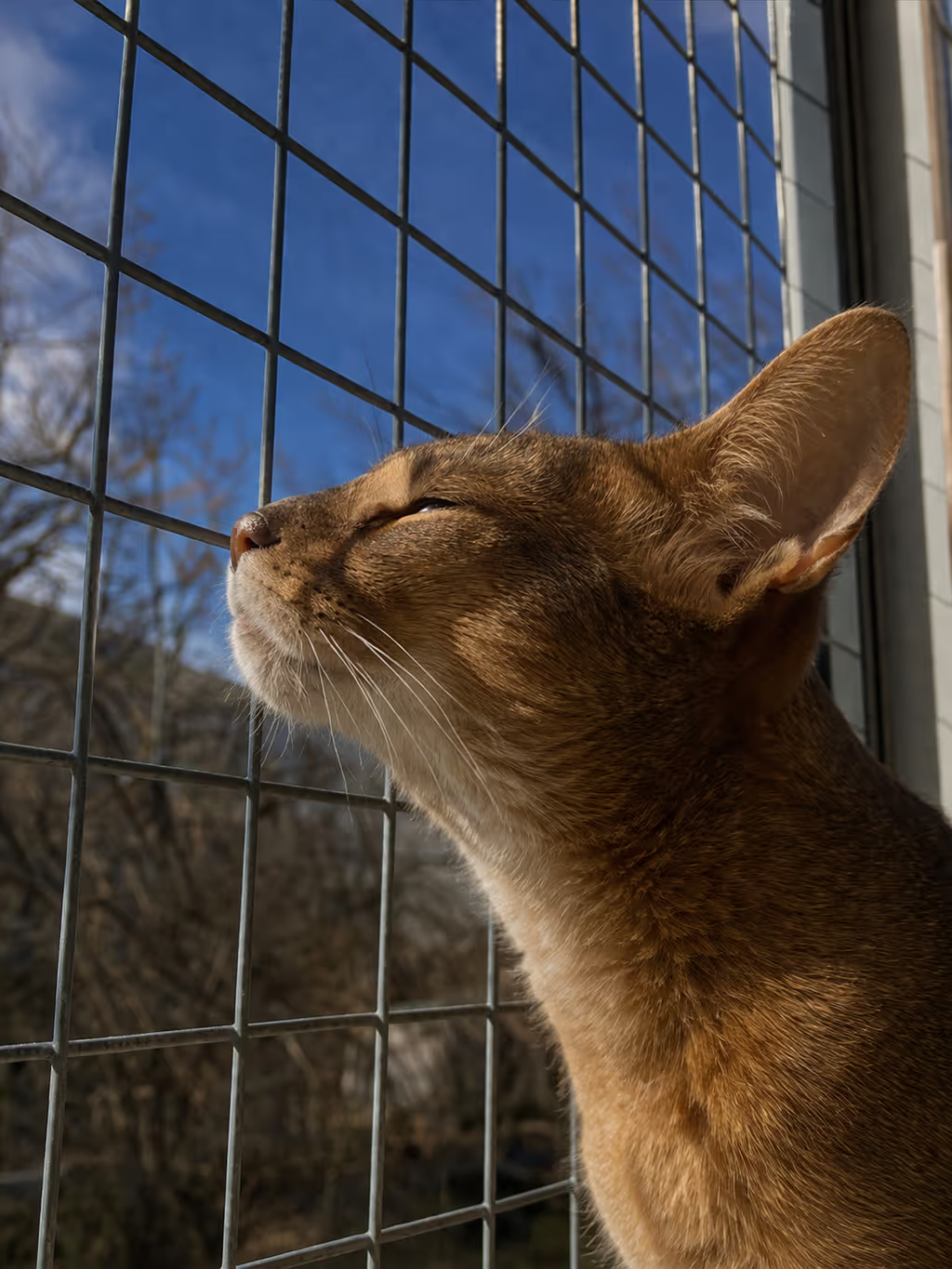
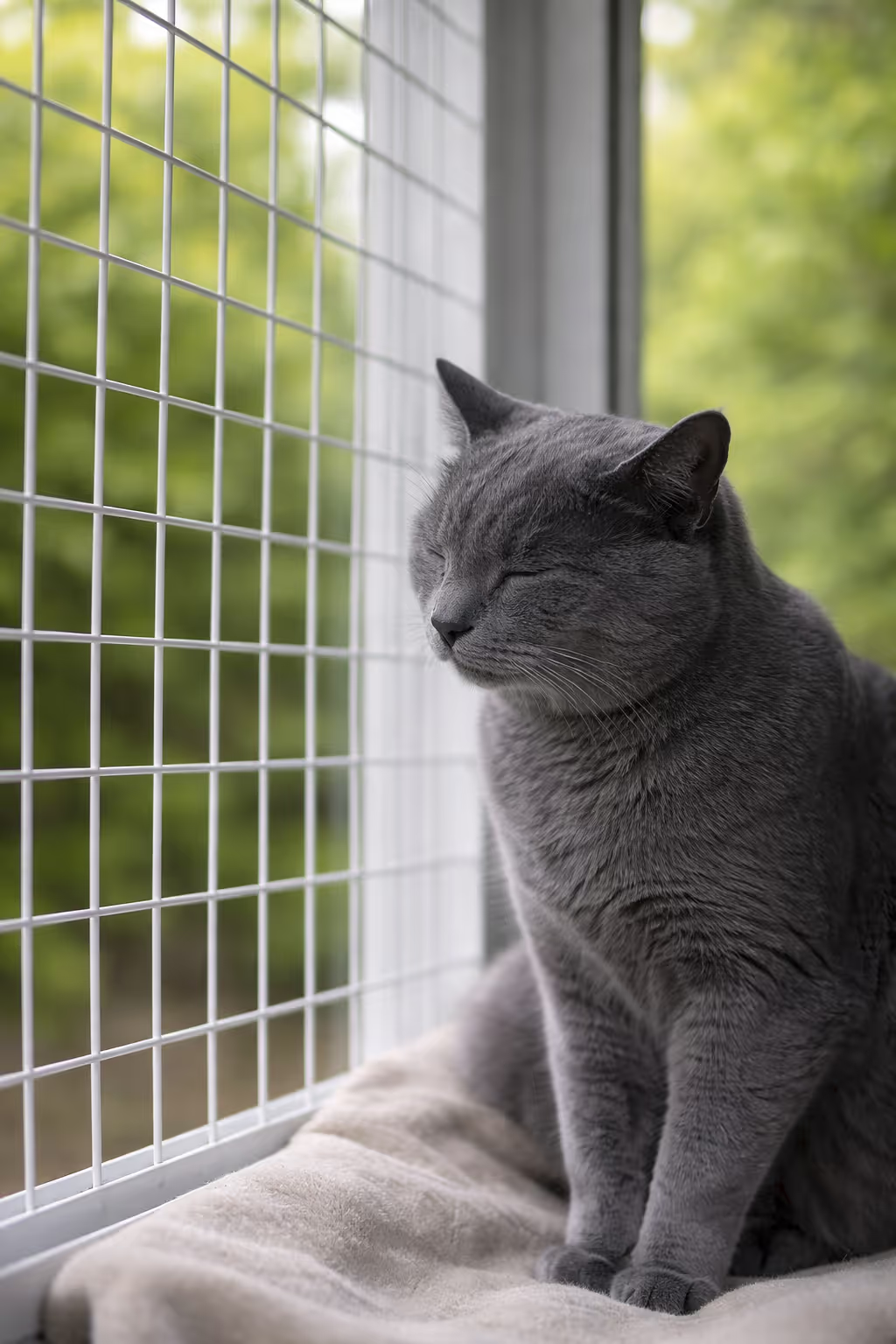
A balcony that bakes in direct afternoon sun is one a cat will only use for an hour in the morning and then avoid. A balcony with some shade coverage becomes a space they can use throughout the day.
Shade Sails
Tensioned fabric panels available in various sizes — attach to balcony railings, walls, or overhead structures and provide shade for a specific area. Pack away in autumn, re-attach in spring. No permanent modification required.
Plant Coverage
A few taller potted plants — bamboo, ornamental grasses, tall herbs — create natural shade and a sense of enclosure that many cats find comforting. Denser planting on one side of the balcony creates a shaded corner that becomes a preferred resting spot.
A Covered Shelter Box
A simple weatherproof box or covered bed gives your cat somewhere to retreat if it rains unexpectedly. Cats dislike being caught in rain but often enjoy sitting in a sheltered spot watching it. For cats on high floors with significant wind exposure: observe your cat's behaviour — some cats prefer the window on very windy days, even in a secure enclosure.
Water and the Outdoors
If your cat spends time on the balcony, particularly in warm weather, provide fresh water outside as well as in. Cats often drink more when they have been in the fresh air. A heavy, stable bowl is better than a lightweight one on a balcony — lightweight bowls tip in wind. Some cats enjoy a small running water feature; there are compact outdoor cat fountains designed for exactly this use.
The Result: A Space Your Cat Actually Uses
A well-designed cat-friendly balcony is one your cat chooses to go to — not one you open and hope they wander out to. When the space has multiple heights, interesting textures, some shade, safe plants to smell and occasionally nibble, and a secure enclosure that gives them genuine freedom to move, cats will use it consistently and purposefully.
The secure enclosure is the foundation that makes the rest of this possible. Without it, everything else is decoration on a space you cannot open safely.
Want to talk through the right enclosure for your window or balcony setup? No pressure, no script — just a real conversation about what works for your home and your cat.
See the BalconyCat steel enclosure →