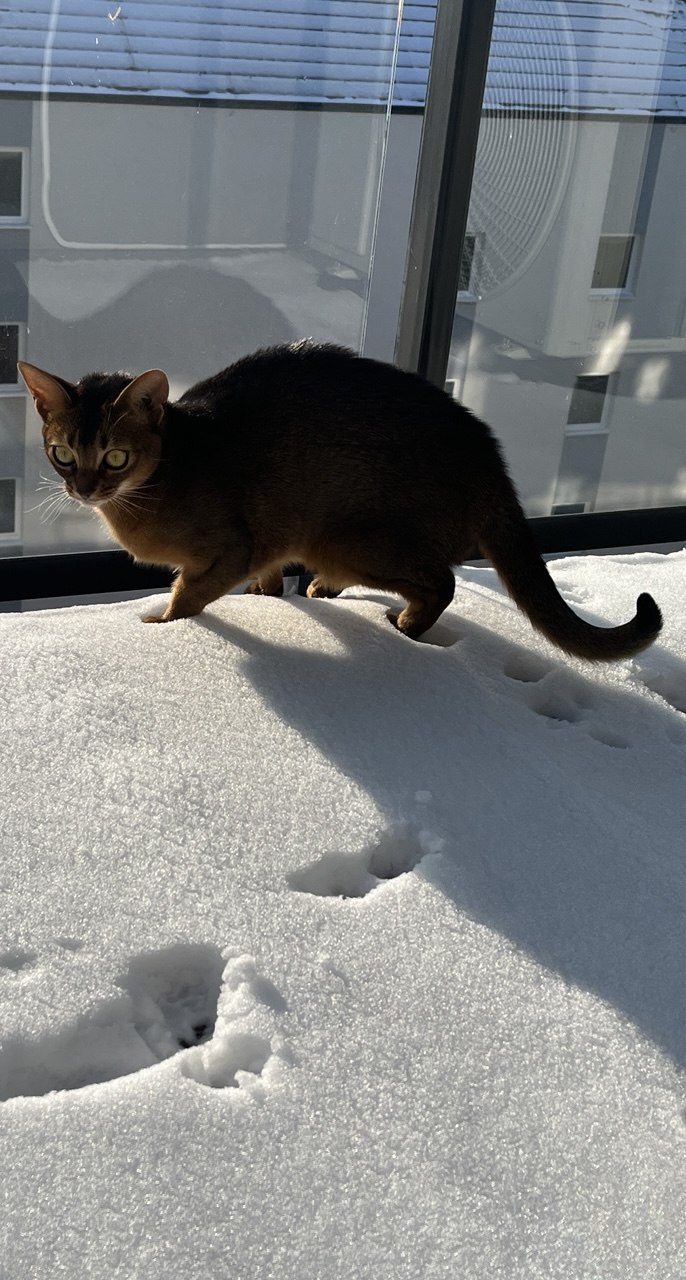
An enclosure that was safe in September is not automatically safe in March. Winter does specific, measurable things to outdoor structures — to the materials, the fixings, the coating, and the connections — and most of those changes are invisible until something fails.
What Winter Does to Enclosure Materials
Different enclosure materials are affected by cold and wet in different ways. Knowing which failure modes apply to your specific enclosure tells you what to look for in your annual inspection.
Steel (Galvanised and Powder-Coated)
Galvanised steel with a powder-coated finish is the most weather-resistant material used in cat enclosures. Galvanisation creates a zinc layer that prevents the underlying steel from corroding even if the surface finish is damaged. Powder coating adds a second protective layer that handles UV exposure, moisture, and temperature cycling well.
What winter does to powder-coated galvanised steel: very little, if the coating is intact. The risk area is chips and scratches — points where the powder coat has been broken by impact or abrasion. At these points, moisture can reach the zinc layer, and if the zinc layer is also breached, rust can begin. Winter inspection for steel enclosures: check all surfaces for chips, particularly at corners, bracket contact points, and any area that has been impacted. Touch up exposed areas with appropriate touch-up paint before moisture can penetrate further.
Aluminium
Aluminium does not rust in the traditional sense, but it does oxidise — forming a dull white surface layer called aluminium oxide. More relevant for aluminium enclosures is joint behaviour in cold temperatures. Aluminium expands and contracts more than steel with temperature changes. Over repeated freeze-thaw cycles, this movement can loosen joints, particularly clip-together connections in modular systems. Winter inspection for aluminium enclosures: check all panel connections and corner joints for loosening. Re-tighten or re-secure any that have developed play. Check anodised surfaces for white oxidation and assess whether protective coating is still intact.
PVC and Plastic
PVC and hard plastics become significantly more brittle in cold temperatures. A PVC frame component that flexes at 20°C may crack at -5°C under the same load. Any enclosure with PVC framing, plastic connectors, or plastic-coated wire should be inspected carefully at the end of winter for cracking, particularly at joints and corners. Zip ties used as fasteners in DIY enclosures are particularly vulnerable. Nylon zip ties become brittle in cold and are frequently found cracked or snapped after a cold winter. Any enclosure using zip ties as a structural fastener should have those ties replaced annually at minimum.
Mesh
Welded steel mesh is largely unaffected by winter conditions if it is properly coated. Woven or fabric mesh is more vulnerable. Synthetic mesh (polyester, nylon) loses tensile strength with repeated UV exposure over summer and then becomes more brittle in cold. By the end of winter, fabric mesh that was installed the previous spring may have lost a significant proportion of its original strength. Winter inspection for mesh: apply lateral pressure to each panel section and look for deformation, tearing at intersections, or separation of woven strands. If in doubt about the integrity of fabric mesh after a winter, replace it.
What Winter Does to Fixings and Attachment Points
The attachment points — brackets, screws, clamps, straps — are where most enclosure failures begin. Winter accelerates the processes that loosen these connections.
Whatever the season, a custom steel window enclosure keeps the balcony safe year-round.
Thermal Cycling
Every day in winter, temperatures rise during the day and drop at night. This means the materials in your enclosure expand and contract daily. At a bracket-to-window-frame connection, this cyclic movement generates small amounts of relative motion between the bracket and the frame surface it grips. Over a winter — dozens of cycles — this motion gradually loosens connections that were tightened in September. A bracket that was tight at installation may have measurable play by March. Post-winter inspection: grip every bracket and connection point and check for movement. Re-tighten anything that moves. For bracket-based no-drill systems like BalconyCat, this means checking that the corner brackets still grip firmly against the window frame and re-tensioning if needed.
Corrosion at Fastener Points
Even on an otherwise well-protected enclosure, fasteners are vulnerable. Screws, bolts, and nuts — particularly non-stainless steel types — can corrode over winter if water finds its way into the joint. Inspect all fastener points for rust staining, which indicates that corrosion is beginning. Replace any corroded fasteners with stainless steel equivalents before the next season.
Strap and Clip Degradation
For enclosures that use straps, cable ties, or clips as attachment points — these should be considered consumable items that require annual replacement. The combination of UV exposure through the previous summer and cold brittleness through winter makes most synthetic strap materials unreliable after twelve months of outdoor use. If your enclosure uses straps as a primary attachment method, replace them every spring regardless of how they appear visually. Visual inspection of straps is not reliable — a strap that looks intact can fail under load without warning.
Managing Balcony Access in Winter
Floor Temperature
Balcony floors — concrete, tile, or metal grating — become very cold in winter and can conduct heat away from a cat’s paws quickly. Cats generally self-regulate this by reducing time on cold surfaces, but in an enclosed space they may have limited options. If your cat uses the balcony in winter, provide an elevated resting surface — a shelf, a hammock, or a thick outdoor mat — that keeps them off the cold floor.
Ice and Frost
Ice on a balcony floor is a slip hazard for cats. A cat that slips suddenly near the enclosure perimeter may react with a rapid movement that tests the enclosure in an unexpected way. During and immediately after freezing conditions, keep the balcony closed until any ice or frost has cleared. This is a short restriction — an hour or two of morning delay — and straightforwardly the right call.
Wind Chill
Wind chill at altitude in winter is significant. A tenth-floor balcony on a clear winter day can feel substantially colder than the ambient temperature suggests. Cats that are happy on the balcony in autumn may find winter wind genuinely uncomfortable. Watch your cat’s behaviour on cold windy days. A cat that moves quickly to the access point to get back inside is telling you the conditions are beyond what they want to tolerate. Trust that signal.
Reduced Daylight
Cats on balconies in winter have access to less daylight than in summer, and the angle of winter sun means they may get less direct warmth even when the sun is out. This does not make the balcony unsafe, but it explains why winter balcony use tends to be shorter and more purposeful — cats go out, get the air and the sensory experience, and come back in. This is normal behaviour and not a sign that something is wrong.
The Spring Inspection Checklist
Before your cat’s first balcony session after winter, go through this checklist: all mesh panels (apply lateral pressure to each, check for deformation, cracking, or separation of intersections); frame (check for rust staining, cracks, or visible deformation); coating (inspect for chips particularly at corners and bracket contact points, touch up any exposed metal); brackets and fixings (grip each one, confirm no movement, re-tighten where needed); straps or zip ties if used (replace regardless of condition); floor surface (clear any residual grit, salt, or debris from winter); drainage (confirm the balcony floor drains properly, as standing water in an enclosure is a slip and hygiene issue).
After the inspection, do the physical load test again — push against each panel, apply your full body weight to the sections your cat uses most. If everything holds as firmly as it did when first installed, the enclosure is ready. If anything gives, fix it before your cat uses it. This inspection takes fifteen minutes. It is the most important fifteen minutes of your enclosure maintenance year.
If you have questions about your specific BalconyCat enclosure — what to look for, how to tighten the brackets, or whether a surface issue needs attention — get in touch. We support customers through the lifetime of the product, not just at the point of sale.
get BalconyCat →