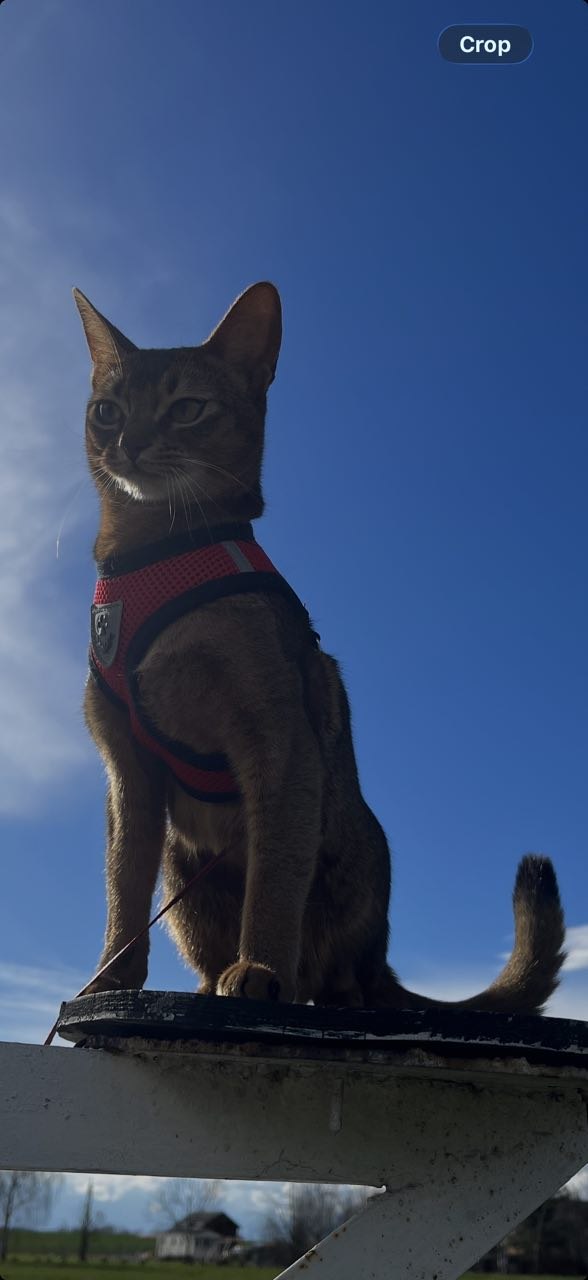
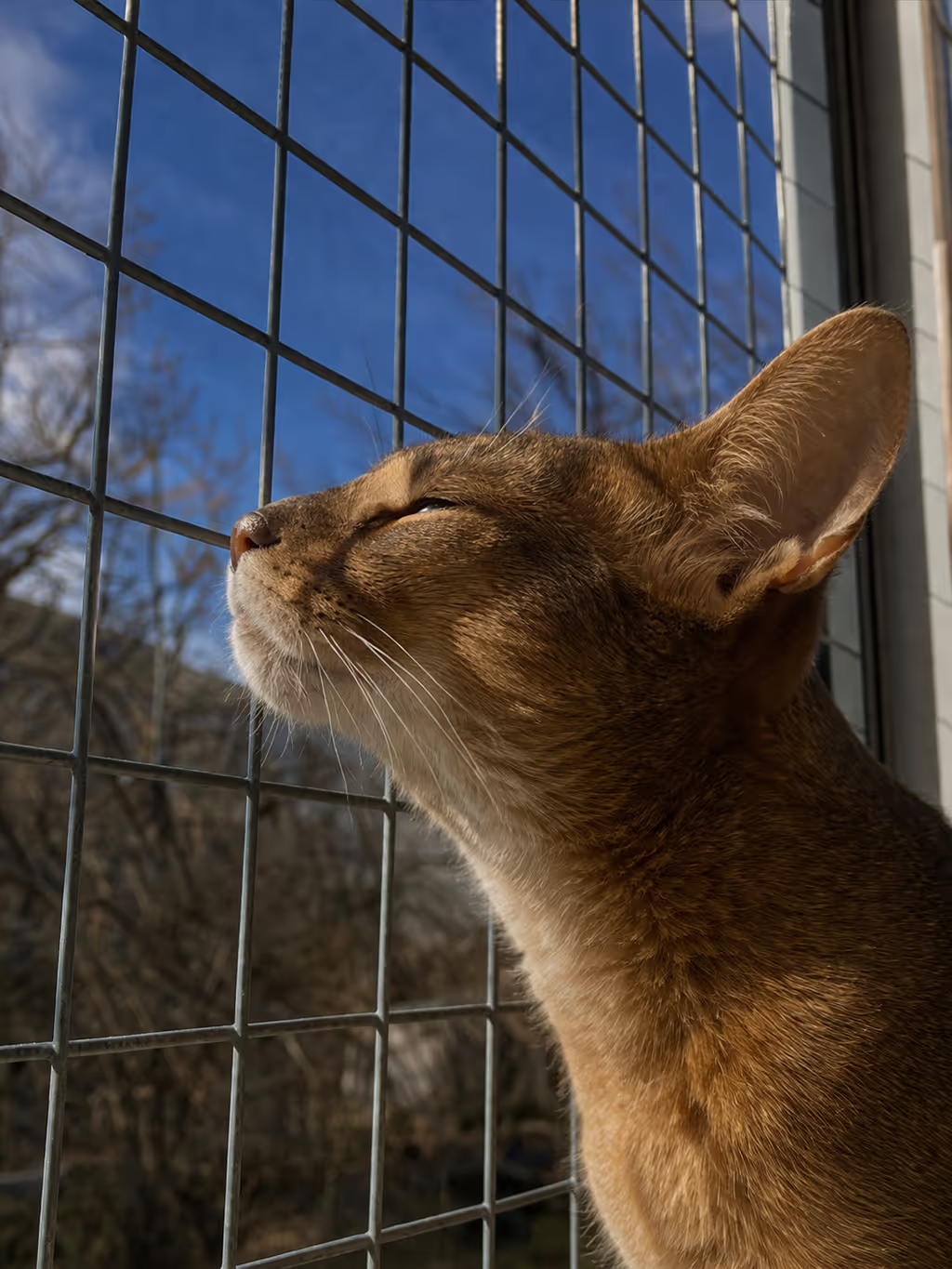
If you’ve ever watched your cat press its nose to a closed window — tracking a pigeon, twitching at the breeze — you already understand the problem a balcony catio solves. Cats want outside. Owners want safety. For most of history, those two things were in direct conflict. The balcony catio is how you resolve that conflict for good.
What Is a Balcony Catio?
A catio — short for cat patio — is any enclosed outdoor space designed to give cats safe access to fresh air. A balcony catio is a version of that specifically adapted for apartment and flat living, where the outdoor space is a balcony, terrace, or window rather than a garden.
The goal is always the same: let the cat experience the outside world — the smells, sounds, air movement, birds, and light — while making escape or a fall physically impossible.
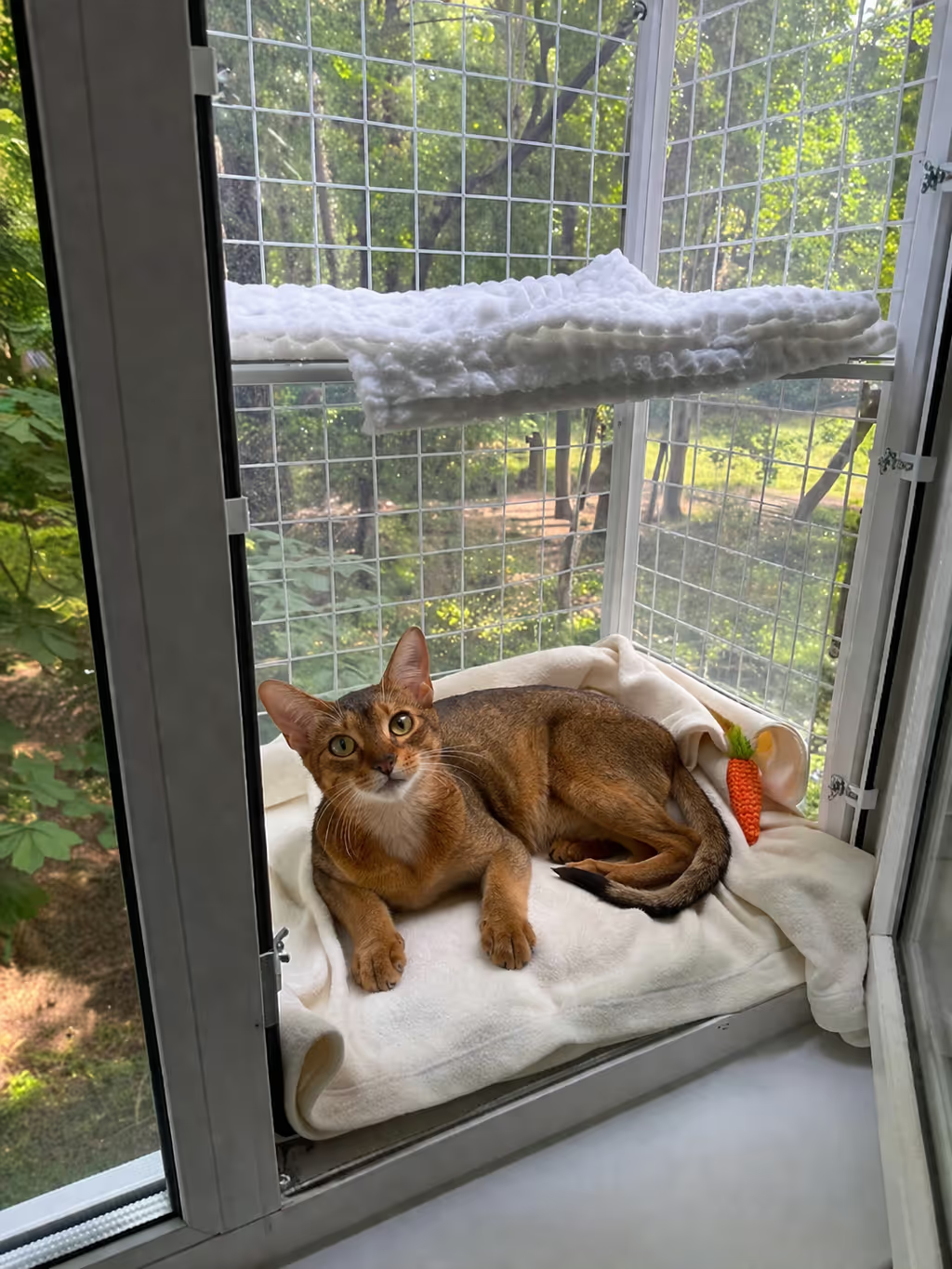
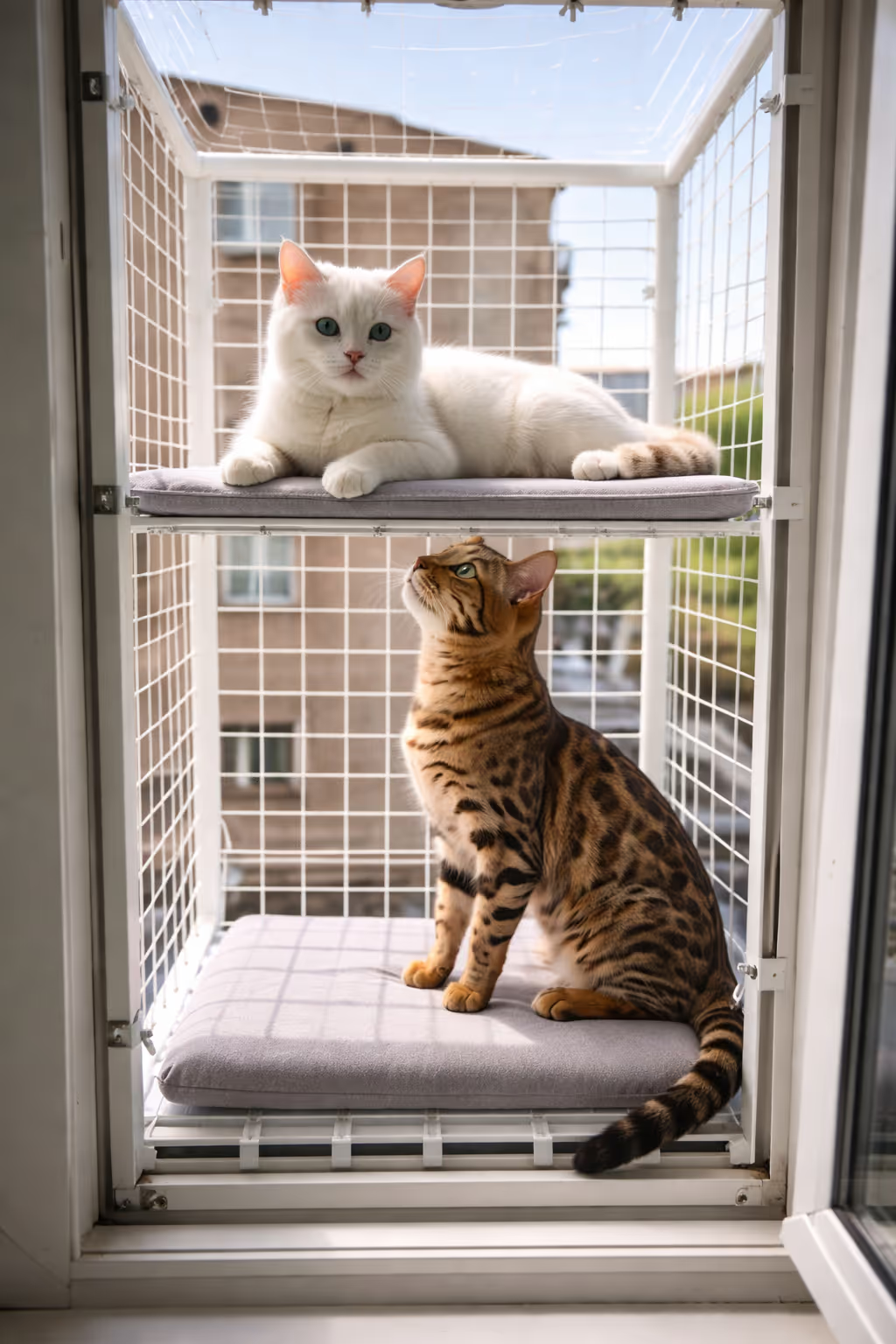
A catio for a balcony can take several forms. Some people enclose the entire balcony with mesh or netting. Others install a freestanding cage-style unit. And some — particularly in European apartments with standard casement windows — use a window-mounted balcony enclosure: a steel unit that extends outward from the window frame, giving the cat a safe external perch without requiring a full balcony at all.
Types of Balcony Catio: What’s Out There
Not all catios are equal. Here’s an honest breakdown of the main options:
1. Balcony Netting Systems
The most common starting point. Nets or mesh are strung around the balcony perimeter to prevent the cat from jumping or falling over the edge. Where it works: simple balcony perimeters, temporary setups, lower floors. Where it fails: UV degradation over 1–2 seasons causes brittleness. Cat claws accelerate this. The frame attachment points — usually adhesive or pressure-fit — are the first thing to go. On a third floor or higher, net failure is not a recoverable event.
2. DIY Catio Enclosures
Wooden frames with mesh stapled across them, assembled on the balcony. Popular in the DIY community, widely covered on Reddit and Pinterest. Where it works: ground floors, gardens, patient owners with tools and time. Where it fails: wood warps in rain. Mesh staples pull out. The build time is typically 2–3 weekends. Most importantly: a DIY catio for an apartment balcony rarely meets the structural load requirement to be genuinely safe from a fall — it’s only as strong as its weakest joint.
3. Window-Mounted Steel Enclosures
A steel-framed enclosure that attaches to the window frame — no balcony required, no drilling into the wall — and extends outward to give the cat a platform outside the glass. Works for apartments, rented flats, any floor height, any window that opens outward. The steel grid construction means there is nothing to tear, warp, degrade, or pull free. Load testing at 40 kg — with dynamic human load applied — means the structure handles a cat of any size jumping, hanging, and exploring every day for years.
What to Look for in a Balcony Catio
Whether you’re buying or building, these are the specifications that matter:
The most reliable way to give your cat that outdoor space is a custom steel window enclosure that fits your window exactly — no drilling, and no gaps to slip through.
Load rating. A cat can exert significant dynamic force when jumping. Any catio rated for less than 15 kg of load capacity should be treated with serious caution. A well-built steel enclosure should comfortably handle 40 kg — enough for multiple large cats, every day, for a decade.
Material. Steel outlasts every alternative. Aluminium bends. Plastic warps and becomes brittle. Mesh tears. A welded steel grid fixed to a steel frame is the only construction that doesn’t change behaviour over time.
Attachment method. On a rented apartment, drilling into a wall or window frame is often prohibited. Look for a catio that attaches via bracket grips — no drilling, no damage, removable when you leave. This is not a compromise on strength if the brackets are steel and properly engineered.
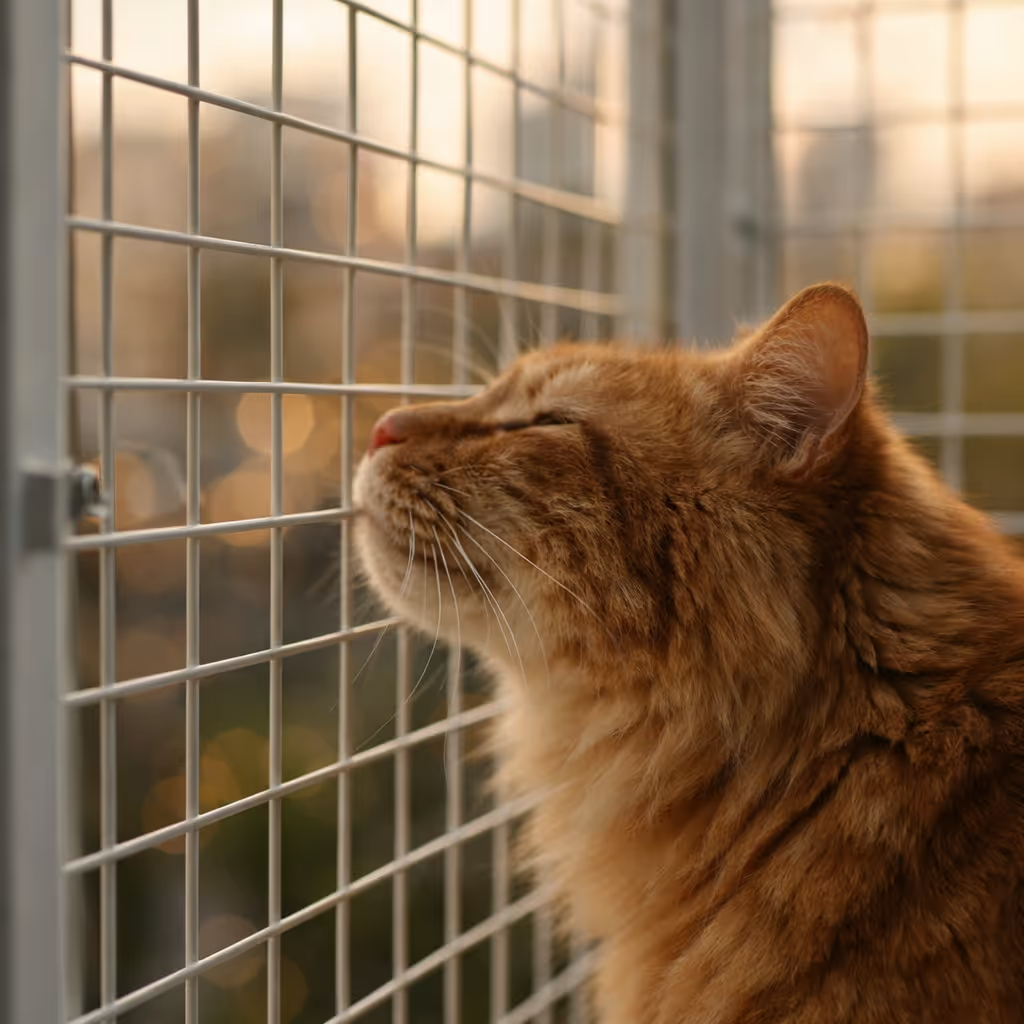
Mesh size. Standard 5×5 cm mesh spacing is safe for adult cats over 4 months. For kittens or small breeds, 2.5×2.5 cm mesh is available from specialist manufacturers. Do not buy netting with larger openings than this for any cat.
Weatherproofing. An outdoor structure sees full weather exposure year-round. Powder-coated galvanised steel handles rain, frost, and direct sun without rust or structural change. Untreated steel, aluminium, or wood will not.
Balcony Catio for Apartment Renters: The Drilling Question
The single biggest concern we hear from apartment renters is landlord permission. Most lease agreements prohibit drilling into walls or permanent structural modification. This has historically ruled out many catio options.
A window-mounted steel enclosure that uses bracket grips solves this entirely. The enclosure grips the window frame from the outside — no wall contact, no drilling, no marks. It is fully removable. When you move out, you take it with you. When you move in somewhere new, it can be remeasured and re-fitted to the new window.
This is also why a custom-measured enclosure matters: a generic, off-the-shelf frame will not grip a specific window correctly. A made-to-measure enclosure fits with precision tolerances and holds securely without play or wobble.
How to Choose the Right Size Balcony Catio
There is no universal sizing for a balcony catio on a window. Window frames vary enormously — in height, width, reveal depth, frame profile, and how the window opens. Any catio that claims to fit “most standard windows” is making a claim worth examining carefully.
The correct process: measure your window frame precisely — width, height, and the depth of the reveal. Confirm how your window opens and whether it will still function with the enclosure attached. A reputable manufacturer will ask for these measurements before production and will check them with you before cutting a single piece of steel.
Frequently Asked Questions
Do I need a balcony to install a catio?
No. A window-mounted catio attaches directly to your window frame and extends outward, giving your cat outdoor access without a balcony. All you need is a casement window that opens outward.
What floor height is safe for a balcony catio?
Any floor height, provided the enclosure is properly built and installed. The whole point of a steel-grid catio is that the cat cannot exit it regardless of height. The risk is not the height — it is the quality of the enclosure.
Can I install a balcony catio without drilling?
Yes, with a window-mounted steel enclosure that uses bracket grips. These grip the window frame from outside without any permanent modification to the wall or frame.
How long does a balcony catio last?
A galvanised steel enclosure with powder coating should last well over 10 years with standard outdoor exposure. Netting and mesh solutions typically need replacement every 1–3 seasons.
Is a balcony catio safe for kittens?
With the correct mesh size, yes. Standard 5×5 cm mesh is safe for cats over 4 months. For younger kittens or very small breeds, specify 2.5×2.5 cm mesh when ordering.
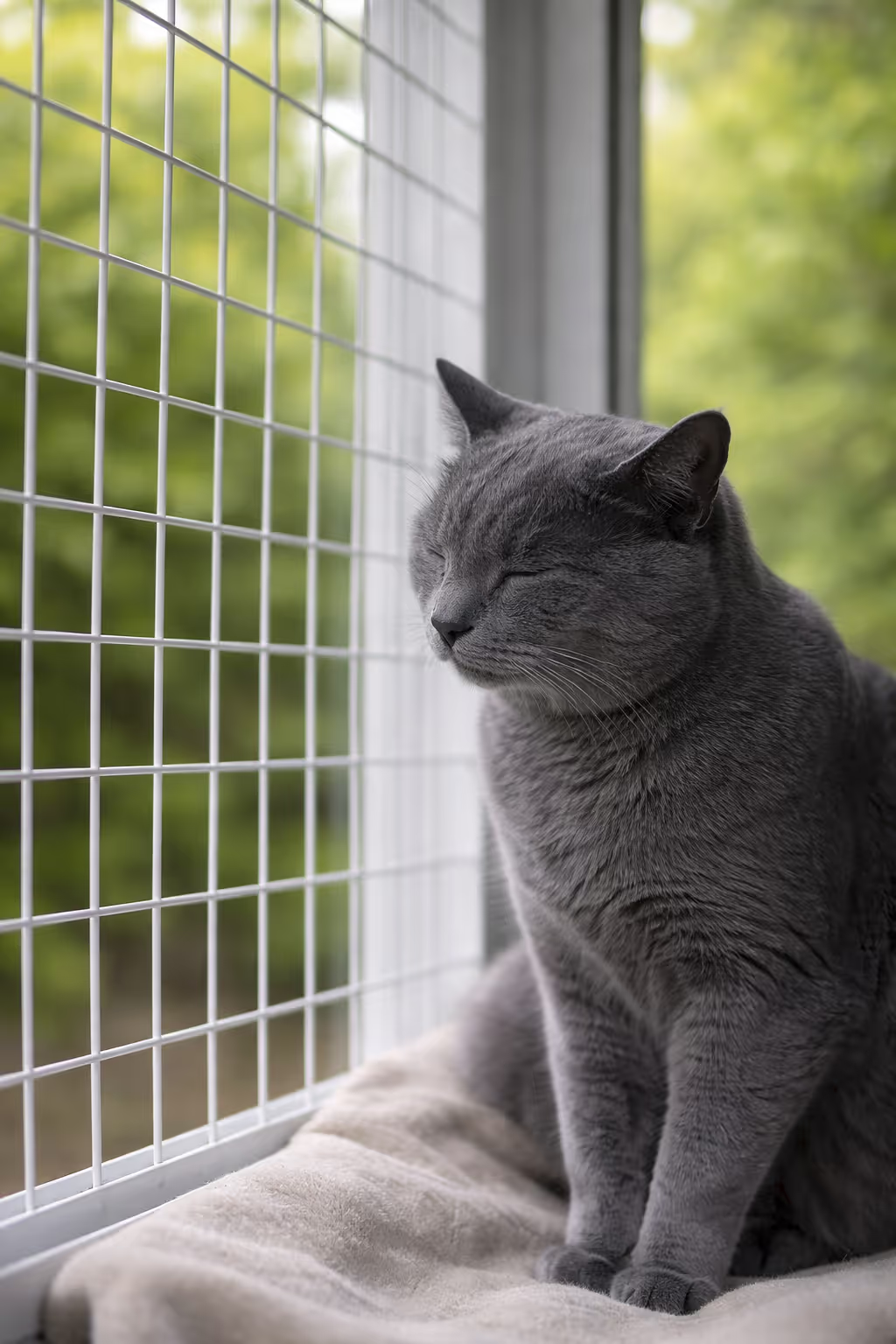
Every cat that spends its life behind glass is missing something. A properly built balcony catio gives it back — safely, permanently, without compromise.
See how BalconyCat builds its window enclosures →